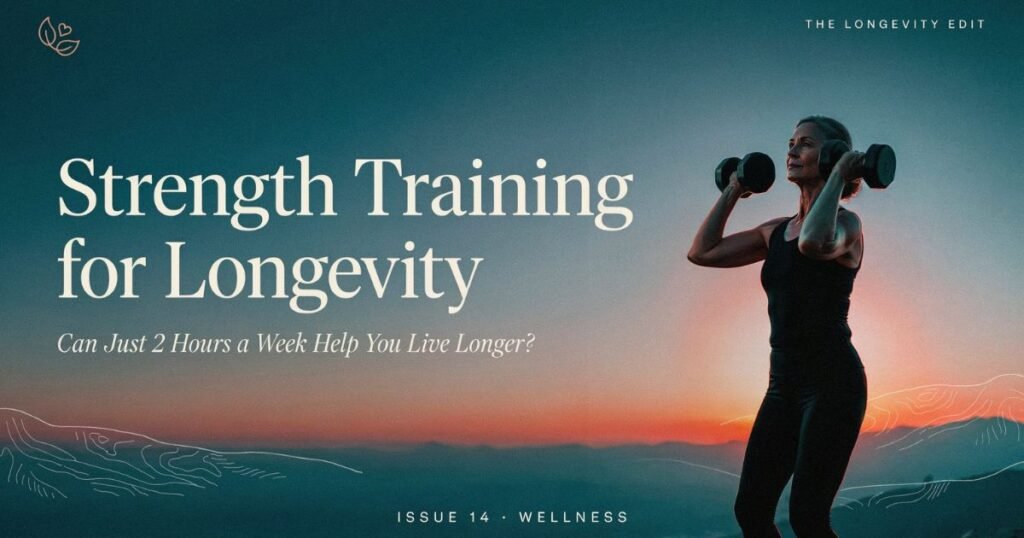
Strength training is one of the most effective ways to improve overall fitness, increase muscle mass, and enhance physical performance. Whether you are a beginner or an experienced athlete, incorporating strength training into your routine helps build lean muscle, improve muscle endurance, support weight management, and boost metabolism. Regular resistance exercises also strengthen bones, improve posture, and reduce the risk of injuries while enhancing daily functional movements.
By following a structured workout plan and maintaining proper form, you can achieve long-term health benefits, greater confidence, and better athletic performance. Consistency, balanced nutrition, and progressive overload are the keys to lasting strength and fitness success.
What Is Strength Training and Why Is It Important?
What Is Strength Training?
Strength Training is a type of Resistance Training that makes your muscles work against resistance. The resistance may come from Weight Machines, Free Weights, Resistance Bands, or your own body weight. Every time your muscles push, pull, or lift against resistance, they become stronger over time. This process improves muscle strength, protects muscle mass, and supports better functional fitness for everyday activities.
Unlike many people think, strength training is not only for athletes or bodybuilders. It benefits people of every age. As you grow older, your muscles naturally become smaller and weaker. This age-related muscle loss can make simple tasks more difficult. Regular training slows this process and helps you stay active for many years.
Why Strength Training Matters for Long-Term Health
One hidden advantage of Strength Training for Longevity is how it improves your entire body instead of only your muscles. Strong muscles support your joints, improve posture, increase stability, and make walking, climbing stairs, and lifting groceries much easier. Better mobility also lowers your chance of falls and injuries later in life.
Medical experts continue to recommend strength training because it improves Cardiovascular Health, supports Healthy Lifestyle habits, and encourages better exercise consistency. Even small improvements today may create significant health benefits decades later.
| Benefit | How It Helps |
|---|---|
| Stronger Muscles | Improves daily movement |
| Better Balance | Reduces fall risk |
| Healthier Bones | Supports lifelong mobility |
| Improved Metabolism | Helps maintain healthy weight |
| Greater Independence | Makes daily tasks easier |
Can Just 2 Hours of Strength Training a Week Help You Live Longer?
What Research Found
Exciting evidence published in the British Journal of Sports Medicine suggests the answer may be yes. Researchers analyzed data collected through the Health Professionals Follow-up Study, Nurses’ Health Study, and Nurses’ Health Study II. Together these projects followed thousands of adults over a remarkable 30-Year Study. The findings showed that adults completing 90–120 Minutes Per Week of Strength Training experienced a 13% Lower Risk of Death compared with those who performed little or no strength exercise.
This research also showed fewer deaths from Cardiovascular Disease and Neurological Disease among people who maintained regular weekly training. Although this was an Observational Study based on Self-Reported Data, the results strongly support adding resistance exercise to a healthy weekly schedule.
Why Two Hours Can Be Enough
Many people assume longer workouts always produce better results. However, researchers found that training beyond two hours each week did not provide major additional improvements in Overall Mortality. Quality mattered more than quantity. Well-planned sessions often produce better outcomes than spending endless hours exercising without structure.
This makes Strength Training for Longevity realistic for almost everyone. Two one-hour sessions or four thirty-minute workouts each week can fit into most schedules. That small investment may help improve Overall Health, support healthy aging, and lower your long-term mortality risk without overwhelming your daily routine.
How Strength Training Reduces the Risk of Early Death
Strong Muscles Protect More Than Movement
Healthy muscles work like a powerful engine inside your body. They improve Blood Flow, help control Blood Pressure, and support healthy Cholesterol levels. Larger amounts of Lean Muscle also improve Insulin Sensitivity, making it easier for your body to regulate blood sugar. These changes reduce stress on your heart and blood vessels over time.
Researchers believe stronger muscles also lower chronic Inflammation, which contributes to many long-term illnesses. Better healthy metabolism helps protect organs while improving energy production throughout the day. These combined effects explain why muscle health influences lifespan.
Lower Risk of Serious Diseases
One of the most impressive findings showed a 19% Lower Cardiovascular Death Risk among participants completing recommended weekly strength training. Researchers also observed a 27% Lower Neurological Death Risk. Smaller reductions appeared for Cancer Risk, especially among individuals performing moderate amounts of weekly exercise.
Doctors such as Clarinda Hougen from Cedars-Sinai Orthopedics and Mary Greene from Manhattan Cardiology emphasize that combining resistance exercise with Aerobic Exercise creates even greater protection. Together they improve Heart Health, strengthen muscles, and support lifelong wellness.
How Much Strength Training Per Week Is Actually Enough?

Weekly Recommendations by Health Experts
Health organizations agree that you don’t need daily lifting sessions to stay healthy. Most experts recommend 90–120 Minutes Per Week of Strength Training combined with regular physical activity. This amount supports muscle growth, improves exercise frequency, and keeps your fitness routine realistic for long-term success.
The ideal schedule depends on your experience and fitness goals. Beginners often start with two full-body workouts each week, while experienced people may train three or four days. Rest days remain important because muscles repair and become stronger during recovery, not while exercising.
| Fitness Level | Weekly Strength Training | Suggested Schedule |
|---|---|---|
| Beginner | 90 minutes | 2 sessions |
| Intermediate | 90–120 minutes | 3 sessions |
| Advanced | Up to 120 minutes | 3–4 sessions |
Strength Training vs Cardio: Which Is Better for Longevity?
Why Combining Both Creates the Best Results
Many people ask whether Strength Training or cardio exercise is better for living longer. The answer isn’t choosing one over the other. Each type improves your body differently. Strength training builds lean muscle, while Aerobic Exercise strengthens your heart and lungs. Together they provide greater protection against chronic illness.
Studies covered by Healthline found that people who combined Aerobic Exercise with Resistance Training had the lowest mortality risk. Activities like Brisk Walking, Running, Swimming, and Cycling improve endurance, while resistance workouts preserve muscle and support healthy aging.
| Strength Training | Cardio Exercise |
|---|---|
| Builds muscle | Improves endurance |
| Supports bone health | Improves heart health |
| Increases metabolism | Burns calories |
| Improves balance | Improves lung function |
Best Combination of Cardio and Strength Training
Building a Balanced Weekly Exercise Plan
Health experts recommend combining Strength Training for Longevity with moderate aerobic activity throughout the week. This balanced approach improves cardiovascular health, supports weight management, and increases overall physical fitness. You don’t need long workouts. Consistency matters much more than spending hours exercising.
A practical weekly plan may include two strength workouts, several days of walking or cycling, and one or two recovery days. This routine keeps your body active while allowing muscles enough time for muscle recovery. It also reduces fatigue and helps maintain steady exercise consistency.
| Weekly Activity | Suggested Time |
|---|---|
| Strength Training | 2 × 45–60 minutes |
| Walking or Jogging | 3–5 days × 30 minutes |
| Stretching or Yoga | 2–3 sessions |
| Recovery Day | 1–2 days |
Many beginners worry about following the perfect plan. However, a simple routine that includes regular exercise, healthy eating, and proper sleep often delivers better long-term results than an intense program that becomes impossible to maintain.
Can Strength Training Build Muscle With Only 2 Hours Per Week?
How to Maximize Muscle Growth in Less Time
Yes, you can build muscle with only two hours each week if your workouts are planned well. Focus on progressive overload, increase your exercise intensity gradually, and perform effective strength exercises. Compound movements work several muscles together, making every workout more productive while improving muscle mass and body composition.
Nutrition also plays a major role. Eat enough protein, stay hydrated, and allow proper recovery after each workout. Beginners often notice faster muscle growth because their bodies respond quickly to new training. Staying patient and following a consistent workout routine delivers better results than exercising for long hours without a plan.
What Counts as Strength Training?
Everyday Activities That Build Strength
Many people think strength training only happens inside a gym. In reality, any exercise that makes your muscles work against resistance counts as Resistance Training. You can train using Free Weights, Weight Machines, Resistance Bands, or simple Body Weight Exercises at home.
Exercises like Push-Ups, Squats, and Lunges are excellent choices because they strengthen multiple muscle groups at once. Even activities such as Gardening, Yoga, and Pilates improve strength, flexibility, and balance. The key is challenging your muscles regularly instead of staying inactive.
| Strength Training Activity | Main Benefit |
|---|---|
| Free Weights | Builds total body strength |
| Resistance Bands | Joint-friendly resistance |
| Push-Ups | Upper body strength |
| Squats | Leg and core strength |
| Lunges | Balance and mobility |
| Yoga | Flexibility and stability |
| Pilates | Core strength |
| Gardening | Functional movement |
Other Proven Health Benefits of Strength Training
More Than Stronger Muscles
The benefits of Strength Training extend far beyond building bigger muscles. Regular training improves bone density, supports osteoporosis prevention, and lowers the risk of osteoarthritis by strengthening the muscles surrounding your joints. Better functional fitness also helps you move comfortably as you grow older.
Research shows that strength training improves Blood Pressure, supports healthier Cholesterol, enhances Insulin Sensitivity, and reduces the chance of Type 2 Diabetes. It also promotes better Mental Health, improves Sleep Quality, and creates a healthier Body Composition by increasing Lean Muscle while reducing excess body fat.
| Health Benefit | Why It Matters |
|---|---|
| Bone Density | Lowers fracture risk |
| Blood Pressure | Supports heart health |
| Cholesterol | Improves cardiovascular function |
| Insulin Sensitivity | Helps control blood sugar |
| Mental Health | Reduces stress and anxiety |
| Sleep Quality | Improves recovery |
| Weight Management | Increases calorie burning |
| Mobility | Makes daily movement easier |
How to Start Strength Training Safely
Simple Steps for Beginners
Starting Strength Training doesn’t have to feel intimidating. Begin with light resistance and learn the correct form before increasing weight. Good technique protects your joints and muscles while improving physical fitness. If you have a medical condition, speak with your doctor or a certified trainer before beginning a new exercise program.
Focus on consistency rather than perfection. Warm up before every session and cool down afterward. Allow at least one day of recovery between training the same muscle groups. Building healthy habits slowly creates lasting success and supports exercise consistency for years to come.
| Beginner Tip | Why It Helps |
|---|---|
| Learn proper form | Prevents injuries |
| Start with light weights | Builds confidence |
| Warm up first | Prepares muscles |
| Rest between workouts | Supports muscle recovery |
| Increase weight gradually | Encourages steady progress |
Strength training is a lifelong habit, not a short-term challenge. Small improvements each week lead to better healthy lifestyle choices and long-term health benefits.
Conclusion
Why Strength Training for Longevity Is Worth Your Time
Modern research continues to show that Strength Training for Longevity is one of the smartest investments you can make for your future health. Just 90–120 Minutes Per Week may help reduce the risk of Early Death, improve Heart Health, support Metabolic Health, and keep your body stronger as you age.
You don’t need expensive equipment or endless hours in the gym. A consistent routine built around Strength Training, Regular Exercise, healthy nutrition, and proper recovery can improve your quality of life for decades. Small actions performed every week often produce the biggest long-term rewards. Start today, stay consistent, and let every workout move you toward a healthier and longer life.
Frequently Asked Questions
What is the ideal amount of strength training per week?
Aim for 2–3 strength training sessions per week, targeting all major muscle groups for optimal health and muscle growth.
Do people who lift weights live longer?
Research suggests that regular strength training is associated with a lower risk of premature death and supports a longer, healthier life.
Which exercise sweet spot is linked to greater longevity?
The best results are linked to 150–300 minutes of moderate aerobic exercise plus 2 strength training sessions each week.
What is the 3-3-3 rule gym?
The 3-3-3 rule commonly means performing 3 exercises, 3 sets per exercise, and 3 key movement patterns or muscle groups in a workout. The exact meaning can vary by trainer.
Who lives longer, skinny or muscular?
People with healthy muscle mass and a balanced body composition generally have better longevity than those who are underweight or have very low muscle mass.
3 Responses