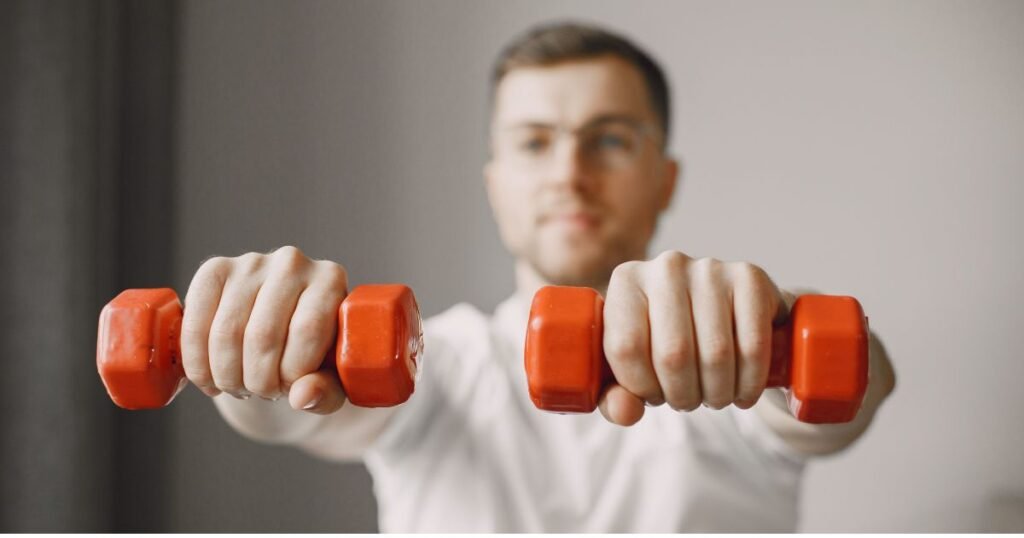
Losing fat is a great goal, but protecting your muscles is just as important. Many people focus only on the number on the scale and forget that weight loss can also reduce valuable muscle mass if it’s done the wrong way. The good news is that you can achieve healthy fat loss while keeping your body strong and active. By combining smart nutrition, regular resistance training, and the right amount of protein intake, you can burn fat without sacrificing strength.
This guide explains the science behind lose weight without losing muscle and shares practical strategies that help you reach your fitness goals while maintaining long-term health and energy.
Why Muscle Loss Happens During Weight Loss
How Your Body Uses Muscle for Energy
Every time you begin a calorie deficit, your body searches for energy to make up for the calories you no longer consume. At first, it relies on stored glycogen, which is the carbohydrate reserve kept inside your muscles and liver. Once those stores begin to shrink, your body starts breaking down stored fat for fuel. However, it doesn’t rely on fat alone. During aggressive dieting or rapid weight loss, the body may also break down muscle protein to produce glucose, creating unwanted muscle loss even while you continue losing weight.
Your body cannot tell whether you want to lose fat only. It simply reacts to the amount of available energy. If calories remain too low for an extended period, especially during a strict low-calorie diet or low-carb diet, your muscles become an additional fuel source. This natural survival response explains why many people notice weaker workouts, lower energy, and reduced muscle strength after following restrictive diets without proper planning.
Many factors influence how much muscle you lose. Age, activity level, diet quality, sleep, stress, and hormone levels all play important roles. Adults naturally lose some muscle as they grow older, making muscle preservation even more important after age 40. When combined with poor nutrition or inactivity, this age-related decline becomes even faster, increasing the risk of weakness and slower energy production.
Fortunately, your body also responds positively when you send the right signals. Eating enough protein, performing regular resistance training, and avoiding severe calorie restriction encourage your muscles to stay active. Instead of sacrificing valuable tissue, your body becomes more likely to use stored fat as its primary energy source.
Expert Insight: Research consistently shows that slower, controlled gradual weight loss preserves more muscle than crash dieting while producing healthier long-term results.
Weight Loss vs. Fat Loss: Understanding the Difference
Why the Scale Doesn’t Tell the Whole Story
Many people believe every pound they lose equals fat disappearing. In reality, total body weight includes fat, muscles, water, bones, and organs. When the scale goes down, you may lose some combination of these components. That’s why fat loss and weight loss should never be considered identical. Your goal should always be improving body composition, not simply making the scale display a smaller number.
Imagine two people each lose 20 pounds. The first person loses mostly fat while keeping their muscles through strength training and proper nutrition. The second person follows a crash diet and loses large amounts of both fat and muscle. Although both weigh less, the first individual looks leaner, feels stronger, burns more calories daily, and enjoys better metabolic health. This example clearly shows why protecting lean body mass matters.
Muscle acts like a highly active engine inside your body. Every pound of lean muscle requires energy throughout the day, even while you rest. The more muscle you maintain, the more efficient your metabolism becomes. Losing excessive muscle reduces daily calorie burn, making future fat burning much harder and increasing the likelihood of regaining weight.
Instead of relying only on the scale, monitor changes using waist measurements, progress photos, clothing fit, body fat assessments, and workout performance. These methods provide a much clearer picture of whether you’re achieving healthy weight loss while successfully working to preserve lean mass.
| Weight Loss | Fat Loss |
|---|---|
| Includes water, muscle, and fat | Primarily reduces stored body fat |
| Scale drops quickly | Progress is slower but healthier |
| May decrease muscle mass | Supports better body composition |
| Can slow metabolism | Helps maintain calorie burning |
| Often caused by crash diets | Built through sustainable habits |
Best Ways to Lose Fat Without Losing Muscle
Proven Habits That Protect Lean Muscle
The secret to lose weight without losing muscle is creating habits that encourage fat loss while giving your muscles every reason to stay. Many people believe eating far fewer calories is the fastest path to success. However, an extreme calorie deficit often forces your body to break down muscle protein for energy. A smaller calorie reduction works much better because it allows steady healthy weight loss without placing your body under unnecessary stress. Most experts recommend aiming for a gradual weight loss of one to two pounds per week, which helps protect muscle mass and supports long-term success.
Exercise also plays a major role in muscle preservation. Your muscles need regular challenges to stay active while you lose fat. Resistance training tells your body that muscle tissue is still needed, making it less likely to break it down for fuel. Even two or three weekly sessions can make a noticeable difference. At the same time, daily movement such as walking, cycling, or light aerobic exercise increases calorie burn without causing excessive fatigue. This balanced approach creates an effective weight loss strategy that supports healthy fat loss instead of sacrificing strength.
Build Muscle While Burning Fat
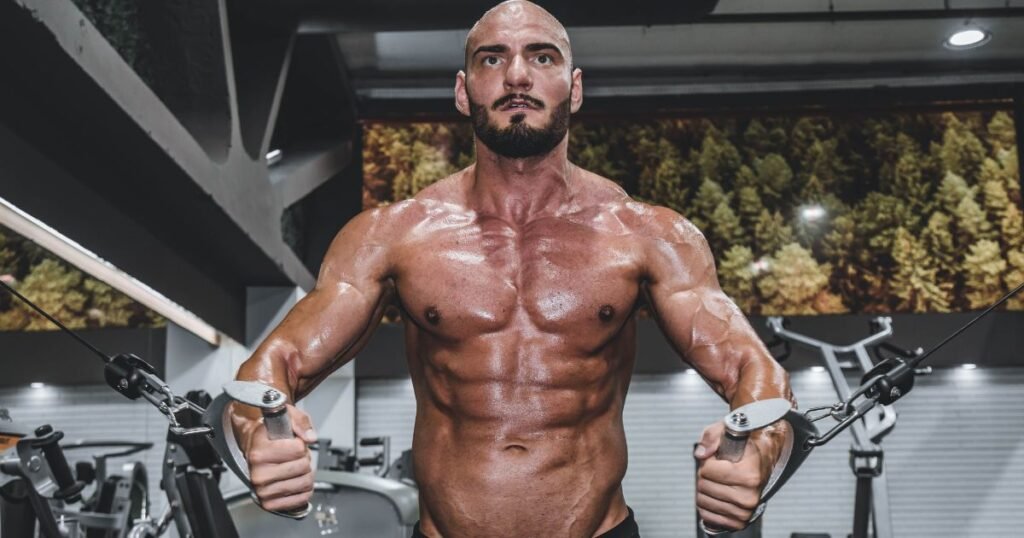
Building muscle during a calorie deficit isn’t impossible, especially for beginners or people returning to exercise after a long break. Combining strength training with enough protein intake allows your body to repair damaged muscle fibers while reducing stored fat. Every workout becomes a signal telling your body to prioritize muscle building instead of muscle protein breakdown. Over time, this improves muscle strength, supports muscle recovery, and helps you maintain an active metabolism.
Consistency always beats intensity. You don’t need exhausting workouts every day to achieve results. A balanced fitness routine that combines resistance exercise, moderate cardio, quality sleep, and proper nutrition produces better outcomes than short-term extreme programs. Staying active also improves energy balance, making it easier to burn calories while preserving valuable skeletal muscle. When these habits become part of your daily routine, maintaining muscle becomes much easier throughout your entire weight management journey.
Nutrition Strategies That Protect Muscle During Weight Loss
Build a Muscle-Friendly Diet
Food is the foundation of every successful weight loss plan. Your muscles depend on high-quality nutrients to recover after exercise and stay healthy during a calorie deficit. The most important nutrient is protein, which supplies the amino acids needed for repair and growth. Instead of eating most of your protein in one meal, spread your daily protein intake across breakfast, lunch, dinner, and healthy snacks. This approach gives your body a steady supply of building blocks for muscle growth while supporting healthy nutrition.
A balanced diet should also include healthy carbohydrates and fats. Carbohydrates restore depleted glycogen stores after workouts, giving you enough energy for your next training session. Healthy fats support hormone production, brain function, and overall wellness. Choosing whole foods instead of processed meals also improves digestion and keeps you feeling satisfied longer. Together, these nutrients create a high-protein diet that fuels exercise for weight loss while helping you preserve muscle during weight loss.
Smart Eating Habits for Sustainable Results
Hydration is another often-overlooked factor. Even mild dehydration can reduce workout performance and slow muscle recovery. Drinking enough water throughout the day supports digestion, nutrient transport, and energy production. Staying hydrated also helps regulate appetite, making it easier to avoid unnecessary snacking.
Instead of following strict food rules, focus on creating meals that include protein-rich foods, vegetables, whole grains, healthy fats, and plenty of fiber. This balanced approach supports sustainable weight loss while improving overall health. It also reduces the temptation to follow extreme low-carb diet trends that may increase the risk of muscle loss. Small, consistent nutrition choices often produce better long-term results than dramatic dietary changes.
| Nutrient | Why It Matters During Weight Loss | Best Food Sources |
|---|---|---|
| Protein | Supports muscle preservation and repair | Chicken, fish, eggs, Greek yogurt, beans |
| Healthy Carbohydrates | Restore glycogen and workout energy | Oats, brown rice, sweet potatoes, fruits |
| Healthy Fats | Support hormones and metabolism | Avocados, olive oil, nuts, seeds |
| Fiber | Improves fullness and digestion | Vegetables, fruits, legumes, whole grains |
| Water | Supports muscle recovery and performance | Water, herbal tea, fruits, vegetables |
Exercise Plan for Preserving Muscle While Losing Weight
Build a Workout Routine That Protects Muscle
Exercise is one of the most effective tools to preserve muscle during weight loss. While eating enough protein is essential, your muscles also need a reason to stay. That’s exactly what resistance training provides. Every time you lift dumbbells, use exercise bands, or perform bodyweight exercises, your body receives a signal to maintain skeletal muscle even while burning stored fat. This process helps reduce muscle loss, improves muscle strength, and creates a healthier body composition.
A balanced exercise routine should include both strength training and aerobic activity. Strength workouts build and protect muscle while cardio supports fat burning and improves heart health. The goal isn’t to spend hours in the gym. Three or four strength sessions each week combined with regular moderate-intensity exercise often produces excellent results. As your fitness improves, gradually increasing workout intensity encourages continued muscle growth without placing unnecessary stress on your body.
Weekly Fitness Routine for Healthy Fat Loss
Your weekly fitness program doesn’t need to be complicated. Focus on compound movements that train multiple muscles at once. Exercises such as squats, push-ups, lunges, rows, overhead presses, and deadlifts work several muscle groups together, helping you burn more calories while supporting maintain muscle goals. Between strength sessions, include light walking, cycling, swimming, or other enjoyable physical activity to improve recovery and increase daily calorie expenditure.
Recovery is just as important as training. Muscles don’t grow during workouts—they grow afterward while your body repairs damaged fibers. Getting enough sleep, eating quality meals, and allowing rest days support muscle recovery and reduce fatigue. Following a structured workout routine consistently delivers better results than exercising intensely for a few weeks and then quitting. Patience and consistency remain the foundation of long-term healthy weight loss.
| Weekly Exercise Plan | Recommendation |
|---|---|
| Resistance training | 3–4 days per week |
| Aerobic exercise | 150 minutes weekly |
| Core training | 2–3 sessions weekly |
| Flexibility & mobility | Daily or after workouts |
| Rest & recovery | 1–2 full recovery days |
Do Weight Loss Medications Cause Muscle Loss?
Understanding GLP-1 Medications and Lean Muscle
New weight loss medication options have changed the way many people manage obesity. Medicines like Ozempic, Wegovy, and other GLP-1 receptor agonists help people eat less by improving appetite control, regulating blood sugar, and promoting slow digestion. These medications mimic the natural hormone glucagon-like peptide-1, making people feel full longer and reducing overall calorie intake. For individuals living with obesity or serious weight-related health conditions, these treatments can produce significant results under medical supervision.
However, rapid changes in body weight may also increase the risk of muscle loss. When people lose weight very quickly through medication-assisted weight loss, their bodies don’t always burn fat alone. Some of the lost weight may come from lean muscle, especially if they aren’t exercising or eating enough protein. This doesn’t mean these medications are harmful. It simply means they work best when combined with a smart nutrition plan and regular resistance exercise.
Protecting Muscle While Using Weight Loss Medication
Fortunately, muscle loss isn’t unavoidable. People using GLP-1 medications can greatly reduce the risk by following healthy lifestyle habits. A high-protein diet, regular strength training, and enough daily movement encourage the body to preserve muscle instead of breaking it down. Healthcare providers often recommend increasing protein intake while beginning these medications because adequate protein supports muscle building and faster muscle recovery.
Regular monitoring is also important. Instead of focusing only on scale weight, healthcare professionals often recommend tracking body composition, strength levels, and waist measurements. This provides a much clearer picture of progress than body weight alone. When combined with professional guidance, proper nutrition, and consistent exercise, anti-obesity drugs can support sustainable weight loss while helping you maintain a strong, healthy body.
Common Mistakes That Cause Muscle Loss
Avoid These Fat Loss Mistakes
Many people unintentionally lose muscle because they focus only on losing weight as quickly as possible. One of the biggest mistakes is following an extreme low-calorie diet that creates a very large calorie deficit. While the scale may drop quickly, your body often responds by breaking down muscle protein to produce energy. This type of rapid weight loss usually leads to fatigue, slower recovery, and a reduced metabolism, making it harder to maintain results over time.
Another common mistake is avoiding resistance training. Some people rely only on cardio because they believe it burns more calories. Although aerobic activity is excellent for heart health and calorie burning, it cannot fully replace strength training when your goal is muscle preservation. Without resistance exercises, your muscles receive fewer signals to stay active, increasing the chance of muscle loss during your weight loss journey.
Small Habits Make a Big Difference
Poor nutrition can also work against your progress. Eating too little protein, skipping meals, or relying heavily on processed foods limits your body’s ability to repair and maintain lean muscle. In addition, poor sleep and high stress levels increase hormones that encourage muscle protein breakdown, making recovery much slower after workouts.
The best way to avoid these problems is by following a balanced healthy lifestyle. Eat enough dietary protein, stay active, sleep seven to nine hours each night, and allow your muscles enough recovery time. Small daily habits create far better long-term results than extreme dieting or excessive exercise.
| Common Mistake | Possible Result |
|---|---|
| Severe calorie restriction | Increased muscle loss |
| Skipping strength training | Reduced muscle strength |
| Low protein intake | Poor muscle recovery |
| Too much cardio | Loss of lean muscle |
| Poor sleep | Slower recovery and reduced performance |
| Ignoring rest days | Increased fatigue and injury risk |
Signs You’re Losing Muscle Instead of Fat
Learn to Recognize the Warning Signs
Your body often provides clues when you’re losing muscle instead of fat. One of the earliest signs is feeling weaker during workouts. If lifting the same weights suddenly feels much harder or everyday activities become more difficult, your muscle mass may be decreasing. You might also notice your arms and legs looking smaller while stubborn body fat remains around your waist.
Constant tiredness is another warning sign. Since muscles help produce movement and support energy production, losing too much muscle often leaves you feeling exhausted. Some people also experience slower workout recovery, reduced endurance, and lower motivation because their bodies aren’t receiving enough nutrients to support maintaining muscle.
Track More Than the Scale
The scale alone cannot tell whether you’re losing fat or muscle. That’s why experts recommend monitoring body composition instead of focusing only on total body weight. Taking progress photos, measuring your waist, checking body fat percentage, and recording workout performance provide a much more accurate picture of your progress.
If you notice declining strength, shrinking muscles, or poor recovery, it’s time to adjust your weight loss strategy. Increasing protein intake, reducing the size of your calorie deficit, and prioritizing resistance exercise often help stop unnecessary muscle loss. Protecting your muscles today makes future healthy fat loss easier while supporting better overall health and long-term fitness.
Conclusion
Build a Stronger Body While Losing Fat
Successful weight loss is about much more than seeing a smaller number on the scale. Your real goal should be improving body composition by reducing body fat while protecting lean muscle. A balanced approach that combines healthy nutrition, strength training, enough protein, and gradual progress allows you to enjoy lasting results without sacrificing your health. Every healthy meal, every workout, and every recovery day helps create a stronger body that burns calories more efficiently.
Remember that lasting success doesn’t come from extreme diets or overnight transformations. It comes from building habits you can maintain for years. Focus on healthy fat loss, stay consistent with your workout routine, prioritize recovery, and trust the process. By following these science-backed strategies, you can confidently lose weight without losing muscle, improve your metabolism, and enjoy better health, greater strength, and long-term wellness.
FAQ’S
Is it possible to maintain muscle while losing weight?
Yes. You can maintain muscle by eating enough protein, doing regular strength training, and losing weight gradually instead of following crash diets.
How to maintain muscle on retatrutide?
To preserve muscle while taking retatrutide, prioritize protein-rich meals, perform resistance training 2–3 times a week, and avoid excessive calorie restriction. Consult your healthcare provider for personalized guidance.
What is the 3-3-3 rule for losing weight?
The 3-3-3 rule commonly refers to eating three balanced meals, exercising for at least 30 minutes, and drinking enough water daily. It is a lifestyle guideline, not a scientifically established weight-loss method.
How to lose fat and maintain muscle quickly?
Combine a moderate calorie deficit with strength training, high protein intake, quality sleep, and consistent physical activity to burn fat while protecting muscle.
At what age is it hardest to lose weight?
Weight loss often becomes more challenging after age 40 because metabolism slows, muscle mass naturally declines, and hormonal changes can affect fat storage.
One Response