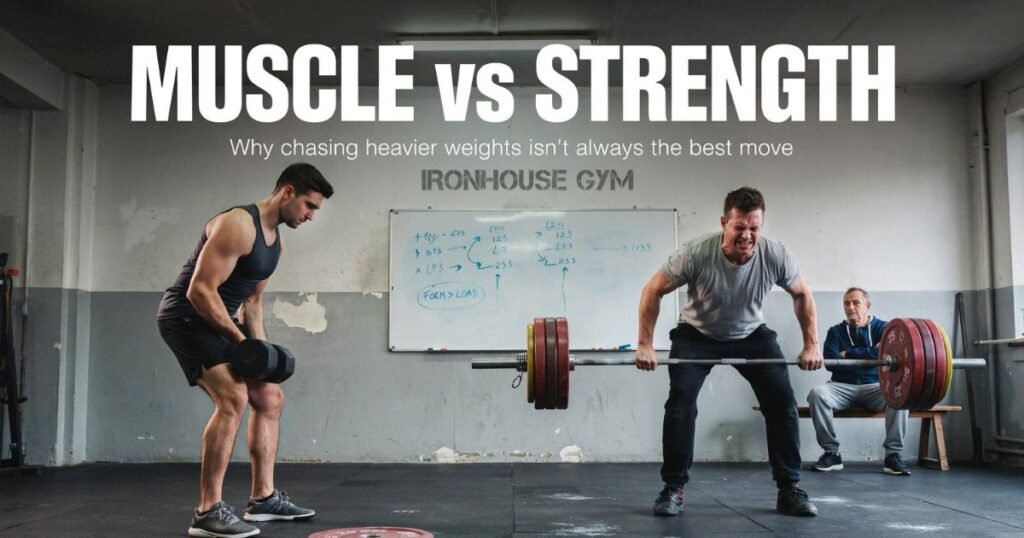
Many people believe lifting the heaviest weight is the fastest way to build bigger muscles and become stronger. However, that’s only part of the story. Muscle vs. Strength: Why Chasing Heavier Weights Isn’t Always the Best Move explains why smarter training often delivers better long-term results. Your body responds to proper strength training, controlled movement, and consistent effort more than simply adding heavier plates. Whether your goal is improving muscle growth, increasing muscle strength, or boosting overall fitness, understanding the difference can completely change your workouts.
By focusing on progressive overload, good technique, and recovery, you can build a stronger, healthier body while reducing injury risk and making steady progress over time.
Understanding the Difference Between Muscle Growth and Strength
What Is Muscle Growth (Hypertrophy)?
Muscle vs. Strength: Why Chasing Heavier Weights Isn’t Always the Best Move begins with understanding muscle growth. Muscle growth, also called hypertrophy, happens when your muscle fibers repair themselves after a challenging strength training session. During recovery, those fibers become slightly thicker and stronger. This process increases your muscle mass, but it doesn’t always mean you can lift much heavier. Your nutrition, sleep, and training consistency all influence how quickly muscles grow. Building larger muscles takes patience, steady effort, and proper recovery instead of rushing toward bigger weights.
What Is Strength Training?
Strength training focuses on teaching your body to produce more force. Your nervous system learns how to recruit more muscle fibers during each movement. This improves muscle strength even before noticeable muscle size appears. Many beginners become stronger within weeks because their brains and muscles communicate more efficiently. Whether you use free weights, resistance bands, or weight machines, the goal is to improve performance while maintaining excellent exercise form.
Key Differences Between Muscle Size and Strength
Although they are closely connected, muscle size and strength are not identical. A bodybuilder may have larger muscles, while a powerlifter may produce greater force with smaller muscles because of advanced neural adaptations. Your personal fitness goals determine which approach fits you best. If your goal is better health, improved appearance, or daily function, focusing on balanced muscle growth and strength usually delivers the best long-term results.
| Muscle Growth | Strength |
|---|---|
| Increases muscle size | Increases force production |
| Focuses on hypertrophy | Focuses on performance |
| Usually 8–15 reps | Usually 1–6 reps |
| Moderate to heavy loads | Heavy loads with proper technique |
| Builds lean physique | Improves lifting ability |
Why Chasing Heavier Weights Isn’t Always the Best Strategy
Many people believe lifting the heaviest weight possible is the fastest path to success. Research tells a different story. Muscle vs. Strength: Why Chasing Heavier Weights Isn’t Always the Best Move explains that your muscles respond to challenge, not simply to load. Proper resistance training, controlled movement, and working close to fatigue often stimulate similar muscle gains using lighter weights or heavier weights. Good technique keeps the target muscle under tension longer, producing better results than rushing through heavy repetitions.
Lifting too heavy before mastering technique often increases the risk of injury. Poor lifting technique, limited range of motion, and excessive momentum reduce muscle activation while placing extra stress on joints and tendons. Many experienced coaches encourage gradual workout progression because it develops confidence, improves movement quality, and keeps training enjoyable. Long-term consistency almost always beats short-term intensity.
The Science Behind Muscle Growth: Why Control Beats Heavy Weight
Time Under Tension and Muscle Activation
One of the biggest drivers of muscle growth is time under tension. This simply means how long your muscles stay working during each repetition. Slowing the lowering phase of an exercise creates more tension inside the muscle fibers. That extra workload encourages greater muscle adaptation even without dramatically increasing weight. Controlled movements also improve body awareness and make every repetition more effective.
Training Close to Failure vs. Maximum Weight
Studies show you don’t always need maximum weight to build muscle. Training close to muscular fatigue using good exercise technique can produce excellent results. Many people achieve similar gains with lighter weights because they complete more quality repetitions while maintaining proper control. Stopping one or two reps before complete failure often supports better recovery and reduces unnecessary joint stress.
Why Proper Form Builds More Muscle
Perfect exercise form allows the intended muscles to perform the work instead of relying on momentum. Controlled compound movements such as squats, presses, and rows activate several major muscle groups together while improving coordination. Better technique also improves workout recovery, lowers injury risk, and helps you continue making progress week after week.
Muscle vs. Strength: Which One Should Be Your Goal?
Your goal determines how you should train. If your priority is looking lean and athletic, focus on muscle growth, consistent strength training, and balanced nutrition. Bigger muscles improve appearance while supporting overall fitness. If you compete in powerlifting or sports, increasing muscle strength may matter more than adding size. Both goals improve health, but the training style differs.
You don’t have to choose only one. Most people benefit from combining weight lifting, moderate training intensity, and smart recovery. This balanced approach improves daily movement, boosts confidence, and supports functional fitness. It also enhances cardiovascular health, helps regulate blood pressure, and improves blood sugar control. Strong muscles make everyday activities easier and reduce injury risk.
| Goal | Best Training Style | Rep Range |
|---|---|---|
| Muscle Growth | Moderate weight | 8–15 reps |
| Maximum Strength | Heavy weight | 1–6 reps |
| General Fitness | Mixed training | 6–12 reps |
How to Build Muscle Without Constantly Lifting Heavier
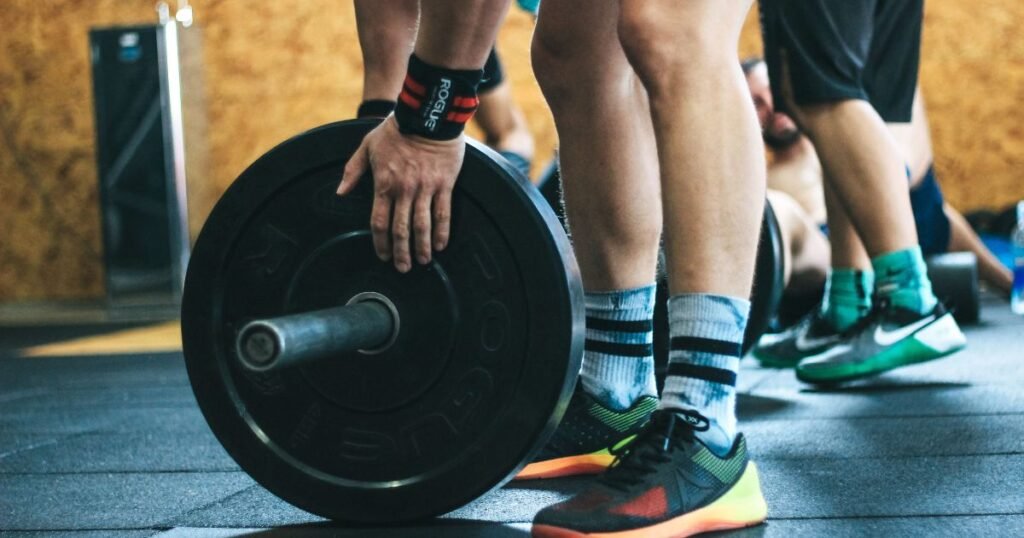
Building muscle doesn’t always require adding more weight every week. One of the smartest methods is progressive overload, which means gradually increasing the challenge. You can perform extra repetitions, improve your range of motion, slow each movement, or reduce rest time. These small improvements continue stimulating muscle development without overwhelming your body.
Recovery matters just as much as training. Your muscles grow while resting, not while lifting. A balanced diet, quality sleep, and consistent workout recovery allow your body to repair damaged fibers. Pair your exercise routine with enough protein and hydration. Over time, your lean muscle becomes stronger even if the numbers on the dumbbells increase slowly.
Progressive Overload Beyond Adding Weight
Think beyond heavier plates. Increasing control, improving balance, or completing another quality set also counts as progress. Many successful lifters spend months refining technique before making large jumps in weight. Small improvements often produce better long-term results than chasing heavy lifts every workout.
Smart Ways to Increase Strength Safely
Increasing strength safely requires patience and planning. Begin every session with a proper warm-up before starting your strength workout. As your body adapts, increase the challenge gradually instead of making huge jumps. This steady training progression protects your joints while improving muscle endurance and confidence during difficult lifts.
Working with a qualified personal trainer can help you learn safe movement patterns, especially if you’re new to beginner strength training. Certified professionals from organizations like the American Council on Exercise (ACE), American College of Sports Medicine (ACSM), International Sports Sciences Association (ISSA), or National Academy of Sports Medicine (NASM) teach correct lifting mechanics and help you avoid common mistakes.
Warm Up Before Every Workout
Start each workout with five to ten minutes of light physical activity and dynamic stretching. This increases blood flow, prepares your muscles, and improves mobility. A proper warm-up also reduces stiffness and prepares your body for demanding full-body exercises.
Increase Load Gradually While Maintaining Technique
Increase weight only when your current load feels comfortable with excellent control. If your technique changes or your posture breaks down, the weight is too heavy. Safe progress always comes before ego lifting because consistency builds stronger results over time.
Common Mistakes That Limit Muscle Growth and Strength
Many people work hard in the gym but still struggle to see results because they repeat simple mistakes. Skipping recovery, ignoring proper exercise form, using poor lifting technique, or following the same workout routine for months can slow progress. Your body adapts quickly, so it needs new challenges through smart resistance training instead of random workouts.
Another common mistake is focusing only on heavy lifting while neglecting mobility and balance. A complete fitness routine includes strength work, flexibility, and recovery. Eating too little protein or sleeping poorly also reduces muscle growth because your muscles cannot repair efficiently. Small daily habits often make a bigger difference than one intense workout.
Mistakes That Slow Your Progress
| Mistake | Why It Hurts Progress | Better Solution |
|---|---|---|
| Using poor form | Increases injury risk | Focus on proper technique |
| Skipping rest days | Reduces recovery | Allow muscles time to recover |
| Lifting too heavy too soon | Limits muscle activation | Increase weight gradually |
| Ignoring nutrition | Slows muscle repair | Eat enough protein daily |
| Repeating the same workout | Causes training plateau | Change your program regularly |
Muscle-Building Workout Tips That Actually Work
Successful muscle building comes from consistency rather than perfection. A balanced exercise program should train all major muscle groups, including your chest, back, shoulders, arms, and legs. Performing compound exercises allows multiple muscles to work together, making each workout more efficient while improving coordination and overall fitness.
Exercises like the kettlebell squat and pull and the wood chop exercise strengthen several muscles in one movement. These exercises improve stability, posture, and athletic ability while supporting functional movement. Whether you choose a home gym or commercial gym, focus on quality repetitions instead of simply lifting heavier weights every session.
H3: Weekly Muscle-Building Workout Example
| Day | Workout Focus |
|---|---|
| Monday | Upper Body Strength |
| Tuesday | Lower Body Strength |
| Wednesday | Rest or Light Cardio |
| Thursday | Full-Body Workout |
| Friday | Upper Body |
| Saturday | Lower Body + Core |
| Sunday | Recovery and Stretching |
Conclusion
Muscle vs. Strength: Why Chasing Heavier Weights Isn’t Always the Best Move reminds us that smarter training beats heavier lifting. Consistent progressive overload, controlled movement, and proper recovery create lasting improvements without placing unnecessary stress on your joints. Building strength is a marathon, not a sprint.
Focus on excellent resistance training, balanced nutrition, and gradual progression. Train with purpose instead of ego. Over time, your stronger muscles, improved heart health, better movement quality, and increased confidence will deliver results that last far beyond the gym.
FAQ’S
Is it better to lift heavier weights or do more reps?
Both can build muscle. Heavier weights improve strength, while more reps with good form are excellent for muscle growth.
What is the 3-3-3 rule in the gym?
The 3-3-3 rule usually means doing 3 exercises, 3 sets, and 3 key movement patterns to create a simple, balanced workout.
Why do bodybuilders not lift heavy?
Bodybuilders often use moderate weights because controlled reps and muscle tension build more muscle than lifting the heaviest weight possible.
Can you build muscle by not lifting heavy?
Yes. Training close to muscle fatigue with lighter or moderate weights can effectively build muscle when done consistently.
What happens if I only lift light weights?
You can still gain muscle and improve endurance if you perform enough reps and challenge your muscles near failure.
3 Responses