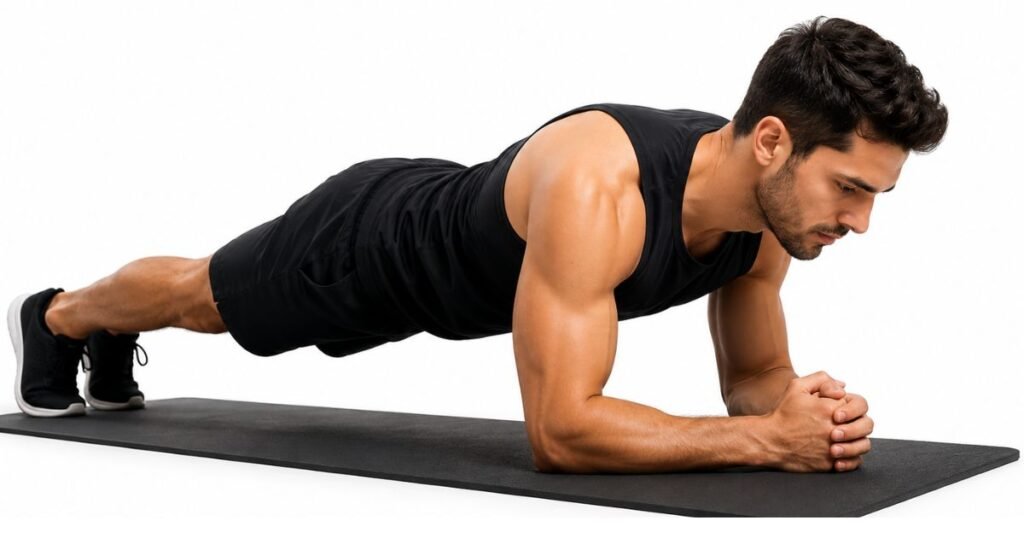
Strong abs may look impressive, but they are only one small part of a healthy body. The real advantage comes from building a strong core that supports every movement you make each day. Understanding the benefits of a strong core helps you improve posture, balance, strength, and overall mobility while reducing the risk of injuries. Whether you’re lifting groceries, running, or sitting at your desk, your core works continuously to keep your body stable.
Learning why core strength matters is more valuable than chasing visible six-pack abs alone. By focusing on core strength and healthy core muscles, you can move better, feel stronger, and enjoy long-term health and fitness benefits.
What Is Your Core and Why Is It Important?
Your body relies on far more than visible abs. Your core muscles include the abdominal muscles, lower back, obliques, glutes, diaphragm, and pelvic floor muscles. Together they create a powerful support system around your spine and pelvis. This muscular network provides spinal stability, supports breathing, and transfers force between your upper and lower body. Every time you stand, bend, twist, or carry something heavy, your core quietly keeps your body balanced and protected. Understanding core muscles explained helps you appreciate why training this area benefits far more than appearance alone.
A strong core works like the foundation of a house. If the foundation becomes weak, everything above it struggles to stay stable. Likewise, poor core stability often leads to reduced mobility, poor posture, and unnecessary strain on your joints. Learning how to strengthen your core improves functional movement, encourages better movement control, and supports a healthier exercise routine. Rather than focusing only on six-pack abs, smart core training develops the entire trunk, allowing you to move more efficiently during work, sports, and everyday activities.
Which Muscles Make Up Your Core?
Although many people think the core only includes the abs, it actually combines several muscle groups that work together. The rectus abdominis creates the visible six-pack, while the transverse abdominis wraps around your waist like a natural support belt. Your obliques rotate the body, your lower back muscles stabilize the spine, your glutes generate power, and your diaphragm supports breathing. These trunk muscles work together to create full body stability, making every movement safer and more efficient.
| Core Muscle | Main Function |
|---|---|
| Rectus Abdominis | Flexes the torso |
| Transverse Abdominis | Deep spinal support |
| Internal & External Obliques | Rotation and side bending |
| Erector Spinae | Supports the spine |
| Glutes | Hip power and balance |
| Pelvic Floor | Pelvic support and stability |
| Diaphragm | Breathing and pressure control |
11 Benefits of a Strong Core
Building a strong core transforms far more than your workouts. It improves your body’s ability to stay upright, protects your spine, and increases overall efficiency. One of the greatest benefits of a strong core is improved posture because stronger muscles naturally hold your body in better alignment. Better posture reduces unnecessary stress on your neck, shoulders, and lower back. At the same time, improved body stability helps you move with greater confidence whether you’re climbing stairs, lifting children, or exercising.
A stronger center also supports athletic performance, improves running performance, and reduces the risk of injuries. Better exercise form allows your muscles to produce force safely without placing excessive pressure on your joints. Consistent core strengthening also improves coordination, enhances flexibility, and provides valuable lower back support. Over time, these improvements contribute to better overall fitness, allowing you to stay active and independent as you grow older.
How Core Strength Improves Your Everyday Life
Your core works every minute of the day, even when you don’t notice it. Sitting at your desk, carrying groceries, reaching into a cabinet, or getting out of bed all depend on strong stabilizing muscles. Daily physical activity becomes easier because your body transfers force more efficiently between the upper and lower body. This is why experts often describe the importance of core strength as one of the biggest foundations of lifelong movement and health.
Strong Core vs. Weak Core: How to Tell the Difference
A strong core supports your body without making you think about every movement. You naturally stand taller, walk with confidence, and perform daily tasks with less effort. Simple activities like carrying shopping bags, climbing stairs, or getting out of a chair feel smoother because your strong core muscles work together to maintain hip stability and spinal protection. Most people also notice better endurance during workouts because the body wastes less energy trying to stabilize itself.
On the other hand, a weak core often reveals itself through subtle warning signs. Frequent slouching, poor balance, recurring lower back discomfort, and difficulty holding proper exercise positions usually point toward reduced stability. These are common signs of a weak core that shouldn’t be ignored. Fortunately, consistent core strengthening and proper strength training can gradually restore stability, helping you move more comfortably and safely in everyday life.
Signs Your Core Needs More Strength
Your body usually tells you when your core requires attention. If you struggle to maintain balance on one leg, experience frequent back fatigue after standing, or find planks extremely difficult, your stabilizing muscles may need work. Improving core strength for beginners starts with recognizing these early signals before they develop into long-term movement problems.
| Strong Core | Weak Core |
|---|---|
| Good posture | Slouched shoulders |
| Stable balance | Frequent wobbling |
| Efficient movement | Poor coordination |
| Better endurance | Early fatigue |
| Controlled lifting | Difficulty maintaining form |
| Healthy spine support | Regular lower back discomfort |
How Core Strength Improves Balance, Stability, and Posture
Every movement begins from your center. When your core remains stable, your arms and legs move with greater precision and control. This improves balance improvement, encourages healthy posture, and reduces unnecessary strain on surrounding joints. Better posture also allows your lungs to expand more effectively, supporting the breathing muscles while helping you feel less tired throughout the day. These small improvements create noticeable benefits for work, exercise, and daily living.
Good posture isn’t only about appearance. A properly aligned spine reduces pressure on muscles, ligaments, and joints. As your core workout becomes stronger, you naturally improve posture, move more efficiently, and enjoy better mobility during everyday activities. Whether you’re sitting at a computer or exercising in the gym, stronger stabilizing muscles keep your body aligned and protected from unnecessary stress.
Why Stability Matters for Every Age
Children, adults, athletes, and older individuals all benefit from better stability. Younger people improve sports performance, while older adults reduce their risk of falls and maintain independence. Simple stability exercises strengthen supporting muscles that protect joints and improve reaction time whenever unexpected movements occur.
| Benefit | Everyday Example |
|---|---|
| Better Balance | Walking on uneven ground |
| Better Posture | Sitting at a desk |
| Greater Stability | Carrying groceries |
| Improved Mobility | Climbing stairs |
| Better Coordination | Playing sports |
How a Strong Core Protects Your Back and Prevents Injuries
Your spine depends on surrounding muscles for protection. When those muscles become stronger, they absorb more force before it reaches your joints. This additional support provides valuable lower back support, improves lifting mechanics, and helps reduce back pain naturally. Strong stabilizers also distribute movement evenly across your body, lowering stress on the hips, knees, and shoulders during exercise.
Injury often happens when smaller muscles compensate for weak stabilizers. Building a strong core improves exercise form, enhances body stability, and contributes to better injury prevention. Whether you’re lifting weights, gardening, or playing with your children, stronger supporting muscles help you perform each movement with greater safety and confidence.
Why Your Spine Depends on Core Strength
Think of your spine as the mast of a ship. Without strong support ropes, it cannot remain upright during rough conditions. Likewise, your core keeps the spine centered while allowing smooth movement. Regular functional core training strengthens these support muscles, reducing excessive pressure on spinal discs and improving long-term movement quality.
Best Core Exercises for Beginners and Advanced Fitness
Building a strong core doesn’t require complicated routines. The most effective core exercises focus on quality rather than speed. Beginners should first master body control before adding difficulty. As your core strength improves, your muscles learn to stabilize every movement more efficiently. This gradual progress strengthens the entire trunk while improving overall fitness, making daily tasks and sports feel easier. Consistency always produces better results than trying advanced workouts too soon.
More experienced exercisers can increase the challenge by using longer holds, controlled movements, and additional resistance. Combining weight training with core training develops stronger muscles that support both power and endurance. Advanced athletes also benefit from exercises that improve rotation, balance, and coordination because real-life movements rarely happen in only one direction. A complete core workout builds strength that carries into every part of your fitness routine.
Easy Core Exercises You Can Start Today
The best routine includes movements that target your entire midsection instead of focusing only on your abs. Beginners should practice slow, controlled repetitions while maintaining proper breathing. Over time, these exercises build core workout at home habits that improve daily core workout performance without placing unnecessary stress on the spine.
| Beginner Exercise | Intermediate Exercise | Advanced Exercise |
|---|---|---|
| Bridge exercise | Dead Bug | Hollow Body Hold |
| Toe taps | Bird Dog | Side Plank |
| Modified Plank | Mountain Climbers | Hanging Leg Raises |
| Glute Bridge | Russian Twist | Ab Wheel Rollout |
| Wall Plank | Stability Ball Rollout | Dragon Flag |
Do You Need Equipment to Build a Strong Core?
One of the biggest advantages of core strengthening is its flexibility. You don’t need expensive gym memberships or complicated machines to build a stronger midsection. Many highly effective exercises use only your body weight. Simple movements performed consistently improve core stability, increase endurance, and develop healthy core muscles. This makes home training perfect for busy people who want lasting results without investing in equipment.
However, equipment can add variety once you become stronger. Resistance bands, medicine balls, and cable machines create new movement patterns that continue challenging your muscles. Whether you prefer a home core workout or gym sessions, the goal remains the same. Focus on controlled movement, proper posture, and gradual progression instead of using excessive resistance too early.
Home Workouts vs Gym Core Training
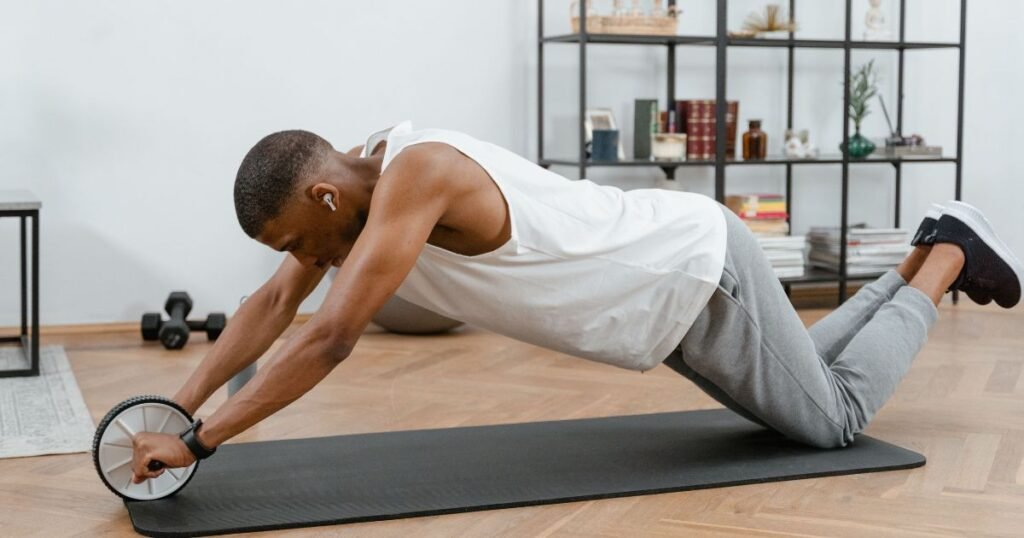
Both training styles offer excellent results when performed correctly. Home workouts improve convenience, while gym equipment allows additional resistance for advanced progression. Choosing the option you enjoy most increases consistency, which ultimately determines your long-term success.
| Home Training | Gym Training |
|---|---|
| Planks | Cable Rotations |
| Bird Dog | Medicine Ball Slams |
| Dead Bug | Cable Wood Chops |
| Bridges | Stability Ball Exercises |
| Mountain Climbers | Weighted Carries |
Common Core Training Mistakes to Avoid
Many people believe hundreds of crunches will automatically build a stronger core. Unfortunately, that approach often neglects the muscles responsible for stability and posture. Focusing only on visible abs while ignoring your hips, glutes, and lower back creates muscular imbalances. Proper functional core training develops every supporting muscle instead of isolating one small area. Balanced training delivers better results while lowering injury risk.
Another common mistake involves rushing through repetitions with poor technique. Fast movements reduce muscle activation and increase strain on the spine. Instead, prioritize slow, controlled motion with correct breathing. Maintaining proper alignment improves exercise form, supports movement control, and helps you strengthen abdominal muscles safely over time.
Why Most People Never Build a Truly Strong Core
Real progress requires patience. Skipping recovery, training without progression, and ignoring posture prevent lasting improvements. Quality repetitions always outperform quantity. Learning proper technique first creates a solid foundation for future strength while protecting your joints from unnecessary stress.
How Often Should You Train Your Core?
Training your core every day isn’t necessary for most people. Like every other muscle group, your core muscles need time to recover and grow stronger. For beginners, two or three sessions each week are enough to build core strength while allowing proper recovery. As your fitness improves, you can increase the frequency depending on your goals. A balanced exercise routine combined with regular physical activity produces better long-term results than overtraining.
The ideal schedule depends on your experience, lifestyle, and recovery ability. Athletes may train their core more often because they require extra full body stability during sports. However, quality always matters more than quantity. Focus on controlled movements, proper breathing, and consistent progress instead of doing endless repetitions. A smart plan helps you strengthen your core while reducing fatigue and supporting better performance.
The Best Weekly Core Training Schedule
The table below shows a simple guideline for different fitness goals. Adjust the frequency based on how your body feels and always allow recovery if your muscles remain sore.
| Fitness Goal | Core Sessions Per Week |
|---|---|
| General Health | 2–3 |
| Beginners | 2–3 |
| Weight Loss | 3–4 |
| Muscle Building | 3–4 |
| Athletes | 4–5 |
| Active Lifestyle | 3 |
Conclusion
Building a strong core is one of the smartest investments you can make for your long-term health. It improves posture, balance, stability, movement, and confidence while supporting everything from walking and lifting to running and sports. Instead of chasing visible abs alone, focus on developing a body that moves efficiently and stays strong throughout life. That is the real reason why core strength matters.
Remember that progress doesn’t happen overnight. Small improvements made consistently create lasting results. Choose a few best core exercises, practice good technique, and stay patient with the process. Whether you exercise at home or in the gym, regular core strengthening helps you move better, feel stronger, and enjoy a healthier, more active lifestyle for years to come.
Why are core workouts so important?
Core workouts improve balance, posture, stability, and lower back support, making everyday movements and sports safer and more efficient.
What is the most advanced core exercise?
The Dragon Flag is one of the most advanced core exercises because it requires exceptional core strength, body control, and stability.
What are signs of a strong core?
A strong core helps you maintain good posture, balance easily, lift safely, and perform exercises without lower back pain.
What are the top 3 core exercises?
The Plank, Dead Bug, and Bird Dog are three of the best core exercises for building stability, strength, and endurance.
What are three physical signs of a weak core?
Poor posture, frequent lower back pain, and difficulty maintaining balance are three common signs of a weak core.