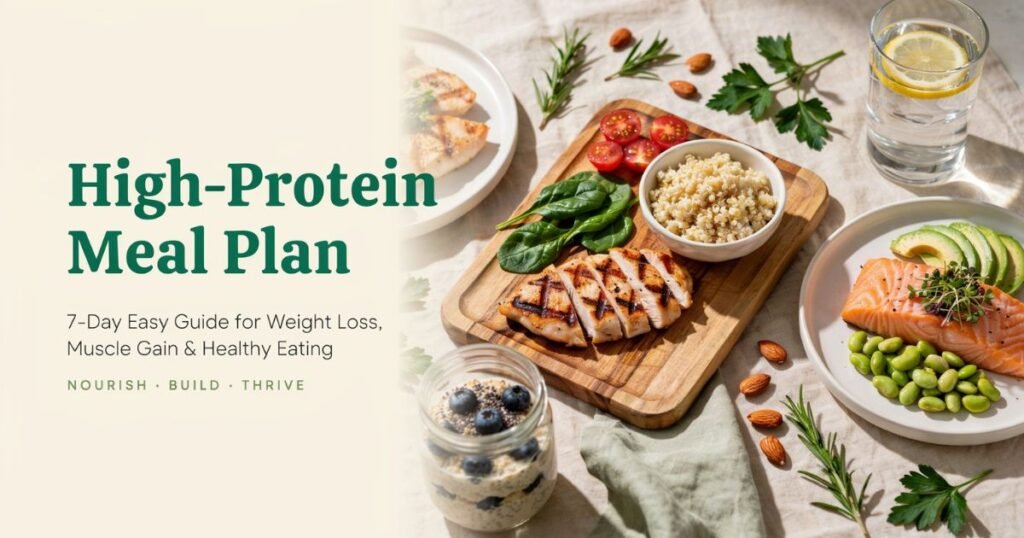
What Is a High-Protein Meal Plan?
A high-protein meal plan is a structured way of eating that increases your protein intake while keeping balanced meals with healthy carbohydrates, healthy fats, and fiber. Instead of focusing only on calories, it emphasizes nutrient quality. This eating style helps support healthy eating, steady energy, and long-term wellness. Many people use a high-protein diet to improve body composition without feeling deprived.
Unlike trendy diets that remove entire food groups, a good high-protein meal plan includes lean protein, whole grains, vegetables, fruits, and dairy or plant-based alternatives. The goal is to create satisfying meals that support healthy lifestyle habits. Whether your goal is weight loss, building muscle, or maintaining health, the right balance of protein and fiber can make every meal more filling and enjoyable.
Why Protein Matters Every Day
Protein acts like the building blocks of your body. It repairs muscles after exercise, supports hormones, and helps create enzymes that keep your body functioning well. Foods rich in protein also digest more slowly, helping you stay satisfied for longer periods. That is why protein-rich foods are an important part of daily nutrition.
High-Protein Meal Plan at a Glance
| Goal | Protein Focus | Best Food Choices |
|---|---|---|
| Weight Loss | High protein + fiber | Chicken, Greek yogurt, eggs |
| Muscle Gain | Extra protein | Lean beef, salmon, cottage cheese |
| Diabetes Support | Balanced protein | Fish, legumes, tofu |
| Healthy Living | Moderate protein | Dairy, poultry, nuts, beans |
Benefits of Following a High-Protein Meal Plan
One of the biggest advantages of a high-protein diet is that it keeps you fuller for longer. Protein increases satiety, helping reduce unnecessary snacking throughout the day. Combined with fiber-rich foods, it supports healthy metabolism and makes sticking to healthy eating habits much easier.
Research also shows that eating enough protein helps preserve muscle mass during weight loss. Instead of losing muscle together with fat, your body keeps more lean tissue. This supports strength, physical performance, and long-term weight management, especially when combined with moderate exercise.
A well-balanced high-protein meal plan may also improve blood sugar management. Protein slows digestion, reducing sudden spikes in glucose after meals. This makes it helpful for people concerned about type 2 diabetes, insulin response, or maintaining steady energy levels throughout the day.
Another overlooked benefit is convenience. Planning meals ahead reduces decision fatigue. It becomes easier to prepare nutritious foods, follow a regular eating schedule, and stay consistent with your nutrition goals. Consistency often delivers better results than perfection.
Key Benefits Comparison
| Benefit | How Protein Helps |
|---|---|
| Feeling Full | Slows digestion |
| Fat Loss | Supports calorie control |
| Muscle Growth | Repairs muscle tissue |
| Blood Sugar | Stabilizes glucose response |
| Energy | Prevents energy crashes |
| Recovery | Helps repair muscles after workouts |
Best High-Protein Foods to Include Every Day
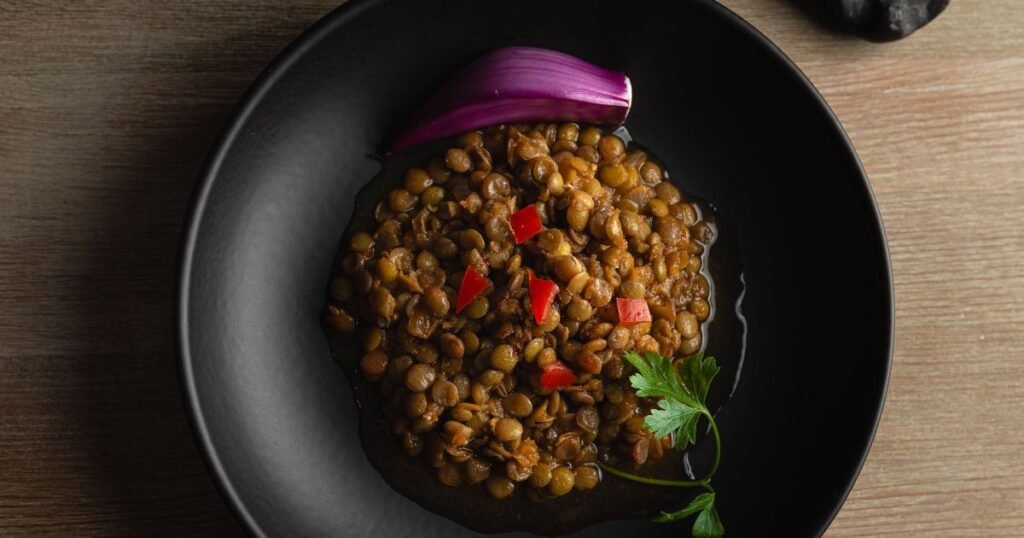
Choosing quality protein matters just as much as eating enough of it. Excellent sources include Greek Yogurt, Cottage Cheese, chicken breast, turkey, eggs, fish, shrimp, tofu, beans, lentils, and lean beef. These foods provide essential amino acids along with vitamins and minerals that support overall health.
Seafood deserves special attention because it provides protein alongside healthy fats. Cod, Honey Salmon, tuna, and shrimp are excellent choices for heart health and recovery. Pair them with vegetables and whole grains to create complete meals that support both nutrition and satisfaction.
Plant-based protein also plays an important role. Chickpeas, lentils, quinoa, edamame, and beans deliver protein together with fiber. This combination promotes digestive health and helps control appetite naturally. Mixing plant and animal protein creates greater variety and balanced nutrition.
Don’t forget healthy snacks. Foods like Almonds, Walnuts, Natural Peanut Butter, kefir, and roasted edamame provide portable nutrition. Smart snacks help bridge the gap between meals without adding excessive sugar or empty calories.
Best Daily High-Protein Foods
| Food | Protein (Approx.) |
|---|---|
| Chicken Breast | 31g |
| Greek Yogurt | 20g |
| Cottage Cheese | 25g |
| Eggs | 6g each |
| Salmon | 25g |
| Tuna | 30g |
| Lentils | 18g |
| Chickpeas | 15g |
| Shrimp | 24g |
| Tofu | 20g |
Common Mistakes to Avoid on a High-Protein Diet
A high-protein meal plan works best when you avoid common mistakes. Many people eat plenty of protein-rich foods but forget fiber intake, water, and balanced nutrition. This can affect digestion, blood sugar control, and long-term health. A successful high-protein diet should always include vegetables, fruits, whole grains, and healthy fats.
Another mistake is relying only on protein shakes or processed foods instead of real meals. Whole foods provide vitamins, minerals, and lasting energy. Combining lean protein, healthy carbohydrates, and healthy fats helps support healthy metabolism, muscle recovery, and steady energy throughout the day.
| Common Mistake | Better Choice |
|---|---|
| Eating too little fiber | Add vegetables, beans, oats, and berries |
| Skipping hydration | Drink water throughout the day |
| Depending on protein powders | Eat whole-food protein sources |
| Ignoring portion sizes | Practice healthy portion control |
| Skipping vegetables | Include colorful vegetables with every meal |
| Eating the same foods daily | Rotate different protein sources |
Not Drinking Enough Water
A high-protein diet increases your body’s need for fluids. Drinking enough water supports digestion, kidney function, and nutrient absorption. Keep a water bottle nearby during the day, especially if you combine your meal plan with physical activity or moderate exercise.
Ignoring Fiber Intake
Protein alone won’t keep your digestive system healthy. Add fiber-rich foods like lentils, chickpeas, oats, vegetables, and berries. A healthy balance of protein and fiber improves digestion, supports gut health, and helps you stay full longer.
Eating Too Much Processed Protein
Protein bars, processed meats, and sugary shakes are convenient, but they shouldn’t become your main protein source. Fresh foods like Greek Yogurt, Cottage Cheese, fish, eggs, beans, and chicken provide better nutrition with fewer additives.
Skipping Healthy Carbohydrates
Removing all carbs isn’t necessary. Your body still needs complex carbohydrates for energy. Foods like quinoa, sweet potatoes, oats, and brown rice support workouts while helping maintain stable energy and blood sugar management.
H3: Forgetting Meal Prep
Without planning, it’s easy to grab unhealthy fast food. Weekly meal prep makes healthy eating much easier. Prepare proteins, vegetables, and grains ahead of time so your high-protein meals are always ready.
Meal Prep Tips for a Successful High-Protein Meal Plan
Planning ahead makes healthy eating simple. A good high-protein meal plan becomes easier when meals are prepared before a busy week starts. Cooking proteins in batches, washing vegetables, and portioning snacks save time while helping you stay consistent with your nutrition goals.
Meal preparation also reduces food waste and helps control calories. Preparing balanced meals in advance prevents last-minute unhealthy choices. Even one hour of planning every weekend can improve your healthy lifestyle and make your healthy meal planning routine much easier.
| Meal Prep Task | Benefit |
|---|---|
| Cook chicken or turkey in bulk | Saves cooking time |
| Prepare chopped vegetables | Faster meals |
| Cook quinoa or brown rice | Easy healthy carbs |
| Portion nuts and fruit | Convenient healthy snacks |
| Store meals in containers | Better portion control |
| Keep boiled eggs ready | Quick protein source |
Batch Cook Protein Sources
Cook chicken, turkey, fish, eggs, beans, or lentils together for several meals. Having cooked lean protein available makes breakfast, lunch, and dinner much faster without sacrificing nutrition.
Prepare Healthy Snacks Ahead
Keep Healthy Snacks ready in the refrigerator. Small containers of Greek Yogurt, nuts, fruit, Cottage Cheese, or roasted edamame help reduce unhealthy cravings between meals.
Use Portion-Control Containers
Meal containers make it easy to balance protein, vegetables, and carbohydrates. They also improve portion control, making it easier to stay within your calorie needs.
Plan a Weekly Meal Schedule
Create a simple meal schedule before grocery shopping. Knowing what you’ll eat each day reduces stress, saves money, and keeps your high-protein meal plan organized.
Store Foods Safely
Use airtight containers and refrigerate cooked foods promptly. Label meals with dates to keep ingredients fresh while reducing food waste.
How Much Protein Do You Really Need?
Protein needs are different for everyone. Your age, activity level, health condition, and goals all affect your ideal protein intake. A person trying to build muscle usually needs more protein than someone with a less active lifestyle. Following a high-protein meal plan helps you meet daily needs without guessing, especially when meals include quality protein from whole foods.
Many experts suggest spreading protein across every meal instead of eating most of it at dinner. This approach supports muscle mass, improves recovery, and helps you stay satisfied throughout the day. If you have kidney disease or another medical condition, talk with a Healthcare Provider or Registered Dietitian Nutritionist before increasing protein intake.
| Goal | Suggested Protein Intake |
|---|---|
| General health | 0.8 g per kg body weight |
| Weight loss | 1.2–1.6 g per kg body weight |
| Muscle building | 1.6–2.2 g per kg body weight |
| Older adults | 1.0–1.2 g per kg body weight |
| Active athletes | 1.4–2.0 g per kg body weight |
Signs You May Need More Protein
Constant hunger, slow workout recovery, muscle weakness, and frequent snacking may indicate low protein intake. Eating high-protein meals throughout the day can improve fullness, recovery, and energy while supporting your overall healthy lifestyle.
Conclusion
A well-designed High-Protein Meal Plan: 7-Day Easy Guide for Weight Loss, Muscle Gain & Healthy Eating can help you improve your nutrition without making eating complicated. Choosing protein-rich foods, adding plenty of vegetables, including fiber, and planning meals ahead creates a sustainable routine that supports long-term health. Instead of following strict diets, focus on building balanced habits that fit your daily life.
Remember that protein is only one part of a healthy lifestyle. Combining smart meal planning with Physical Activity, Moderate Exercise, quality sleep, hydration, and consistent healthy habits delivers the best results. Whether your goal is Weight Loss, building muscle, or improving overall wellness, a practical high-protein meal plan gives you a simple roadmap to eat better, feel stronger, and stay energized every day.
FAQ’S
How do I hit my protein goal every day?
Plan high-protein meals and snacks ahead of time. Include protein with every meal, such as eggs, Greek yogurt, chicken, fish, beans, or cottage cheese.
What is the 3 3 3 protein rule?
The 3-3-3 protein rule means eating about 30 grams of protein at each of your three main meals to support muscle health and keep you full.
What is the easiest high-protein meal to make?
A bowl of Greek yogurt with berries and nuts or scrambled eggs with whole-grain toast is one of the quickest high-protein meals.
What are 5 signs you need more protein?
Common signs include constant hunger, muscle loss, slow recovery after exercise, weak hair or nails, and feeling tired more often.
What organ is most affected by too much protein?
The kidneys work harder to remove protein waste. Most healthy people tolerate higher protein well, but those with kidney disease should consult a healthcare provider.