
Your body depends on magnesium-rich foods to keep hundreds of important processes running smoothly. This essential mineral supports healthy muscles, nerves, bones, and the heart while helping your body produce energy every day. Yet many people don’t get enough dietary magnesium, increasing the risk of magnesium deficiency and related health concerns.
Choosing the right foods high in magnesium can improve your overall wellness without making your diet complicated. In this guide, you’ll discover the best natural food sources, learn why magnesium matters, and find practical ways to boost your daily magnesium intake for better long-term health
Why Magnesium Is Essential for Your Body
Your body depends on magnesium-rich foods every single day because this mineral supports more than 300 chemical reactions. It helps produce energy, keeps muscles working smoothly, supports healthy nerves, and strengthens bones. Without enough dietary magnesium, your body struggles to perform basic tasks. Many people never notice the problem until their magnesium levels become too low. That makes eating healthy magnesium foods one of the easiest ways to protect your long-term health.
Research also shows that magnesium supports heart rhythm, blood sugar balance, healthy blood pressure, and protein production. It even helps activate vitamin D inside the body. Many Americans consume less than the recommended amount because processed foods contain very little magnesium. Choosing natural magnesium sources instead of highly processed meals is one of the simplest ways to improve your overall nutrition.
| Why Magnesium Matters | How It Helps Your Body |
|---|---|
| Energy Production | Converts food into usable energy |
| Muscle Function | Supports muscle movement and relaxation |
| Nerve Function | Helps nerves send signals correctly |
| Bone Health | Builds stronger bones with calcium |
| Heart Health | Maintains a healthy heartbeat |
| Blood Sugar | Supports healthy glucose control |
Signs and Risks of Magnesium Deficiency
Many people experience magnesium deficiency symptoms without realizing the cause. Early signs often appear slowly. You may notice muscle cramps, tiredness, headaches, poor sleep, weakness, or difficulty concentrating. Some people also develop irregular heartbeats or frequent muscle twitches. Because these symptoms overlap with many conditions, magnesium deficiency often goes unnoticed.
Long-term magnesium deficiency increases the risk of several chronic diseases. Studies link low magnesium intake with high blood pressure, type 2 diabetes, osteoporosis, heart disease, and chronic inflammation. Eating foods high in magnesium every day is one of the best ways to reduce these risks naturally before they become serious.
| Common Symptoms | Possible Health Risks |
|---|---|
| Muscle cramps | Osteoporosis |
| Fatigue | Heart disease |
| Headaches | High blood pressure |
| Poor sleep | Type 2 diabetes |
| Weakness | Chronic inflammation |
| Irregular heartbeat | Poor nerve function |
10 Magnesium-Rich Foods You Should Eat Every Day
1. Dark Chocolate

Dark chocolate isn’t only delicious. It is one of the best magnesium foods available. A small serving provides a generous amount of magnesium while also supplying antioxidants that protect your cells. Choose chocolate containing at least 70% cocoa for the greatest nutritional value.
2. Avocados

Creamy avocados provide healthy fats alongside excellent amounts of magnesium-rich foods nutrients. They also contain fiber, potassium, and vitamin K. Eating avocado regularly may support heart health while helping your body absorb fat-soluble vitamins more efficiently.
3. Nuts

Almonds, cashews, and Brazil nuts rank among the richest magnesium rich nuts available. Besides magnesium, they provide healthy fats, plant protein, fiber, and antioxidants that support overall wellness. A small handful makes an easy daily snack.
4. Legumes

Beans, lentils, chickpeas, and black beans are outstanding magnesium rich legumes. They also contain protein, fiber, iron, and slow-digesting carbohydrates that help maintain stable blood sugar throughout the day.
5. Tofu

Tofu delivers plant protein together with valuable magnesium. It works well in stir-fries, soups, salads, and grain bowls. People following vegetarian or vegan diets often rely on tofu as an important mineral-rich food.
6. Seeds

Pumpkin seeds, chia seeds, flaxseeds, and sunflower seeds are excellent magnesium rich seeds. They also supply omega-3 fats, fiber, zinc, and antioxidants. Even a small serving significantly boosts your daily magnesium intake.
7. Whole Grains
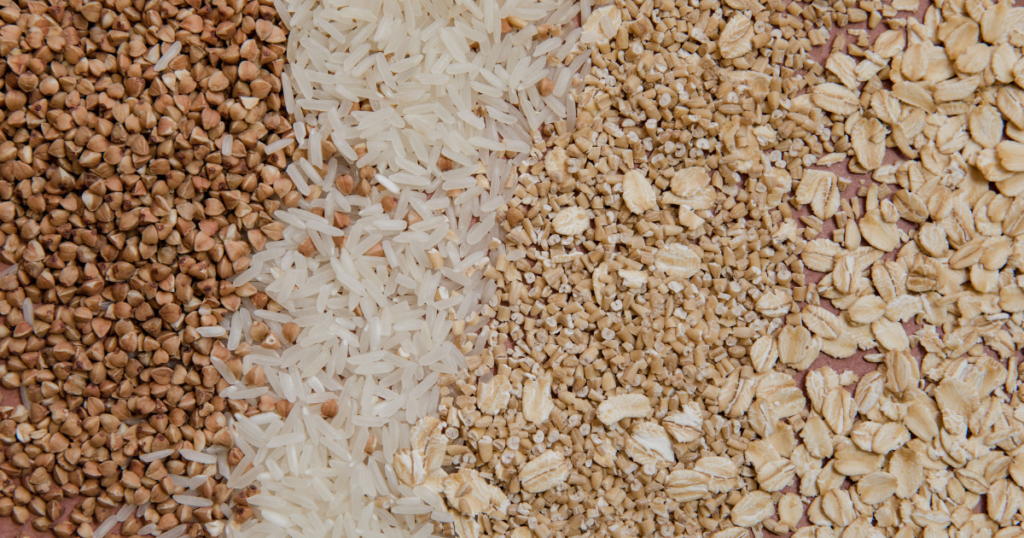
Whole grains such as oats, quinoa, brown rice, barley, and whole wheat provide plenty of magnesium along with fiber that supports digestion. Unlike refined grains, whole grains keep their natural minerals intact.
8. Fatty Fish

Salmon, mackerel, halibut, and tuna offer moderate magnesium along with protein and omega-3 fatty acids. These magnesium rich fish also support heart health and reduce inflammation.
9. Bananas

Bananas provide magnesium together with potassium, vitamin B6, and natural carbohydrates. They make an excellent pre-workout snack because they provide steady energy while supporting healthy muscle function.
10. Leafy Green Vegetables
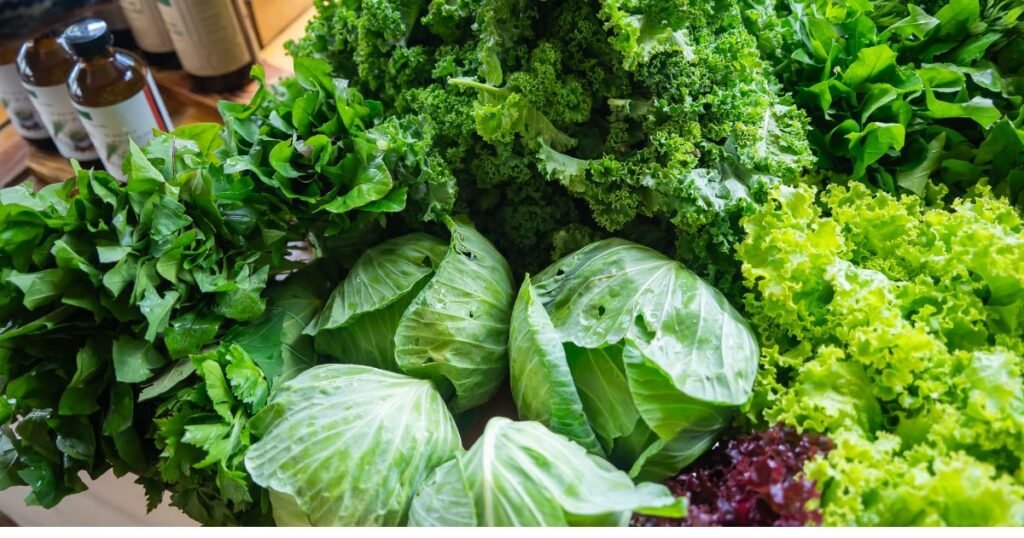
Spinach, kale, Swiss chard, collard greens, and mustard greens are among the richest magnesium rich vegetables. These vegetables also provide vitamins A, C, K, iron, and powerful antioxidants that protect your health.
| Food | Approximate Magnesium (per serving) |
|---|---|
| Pumpkin Seeds | 168 mg |
| Spinach | 157 mg |
| Cashews | 83 mg |
| Dark Chocolate | 65 mg |
| Avocado | 58 mg |
| Black Beans | 120 mg |
| Banana | 37 mg |
| Tofu | 35 mg |
| Salmon | 30 mg |
| Whole Grains | 80–90 mg |
Should You Take a Magnesium Supplement?
Not everyone needs a magnesium supplement. If you already eat plenty of magnesium-rich foods, your daily magnesium intake may be enough. However, some people have trouble reaching their needs because of poor diet, digestive problems, certain medications, or medical conditions. In these cases, a healthcare provider may recommend magnesium supplements to restore healthy magnesium levels and reduce magnesium deficiency symptoms. Food should always remain your first choice because it provides many other nutrients that work together for better health.
If your doctor suggests a supplement, choose one that matches your health needs. Some forms absorb better than others, while different products support sleep, muscle function, or digestion. Always follow the recommended dose because taking too much magnesium can cause stomach upset, diarrhea, or other side effects. Combining healthy magnesium foods with the right supplement often delivers the best long-term results for magnesium absorption and overall wellness.
| Magnesium Form | Best Used For | Absorption |
|---|---|---|
| Magnesium Glycinate | Sleep, stress, muscle relaxation | Excellent |
| Magnesium Citrate | Constipation, low magnesium | High |
| Magnesium Malate | Energy, muscle soreness | High |
| Magnesium Chloride | Daily supplementation | Good |
| Magnesium Oxide | Occasional constipation | Lower |
Tips to Increase Magnesium Naturally
The easiest way to improve your magnesium intake is by eating a varied diet every day. Fill your meals with magnesium rich vegetables, magnesium rich fruits, magnesium rich nuts, seeds, beans, and whole grains instead of relying on processed foods. Small daily choices often make a bigger difference than taking large doses of supplements. Drinking enough water, staying active, and eating balanced meals also support healthy magnesium metabolism and help your body use this mineral more efficiently.
Cooking methods also matter. Steaming vegetables instead of boiling them helps preserve more minerals. Replacing refined grains with whole grains and choosing snacks like almonds, pumpkin seeds, or dark chocolate can naturally boost your daily magnesium intake. These simple habits make it easier to enjoy best foods for magnesium while supporting heart health, stronger muscles, steady energy, and long-term wellness.
| Simple Habit | Benefit |
|---|---|
| Eat leafy greens daily | Increases dietary magnesium |
| Choose nuts and seeds as snacks | Supports healthy magnesium levels |
| Replace white grains with whole grains | Improves mineral intake |
| Eat beans several times weekly | Adds fiber and magnesium |
| Limit ultra-processed foods | Helps maintain nutrient balance |
Conclusion
Adding 10 Magnesium-Rich Foods You Should Eat Every Day for Better Health to your routine is one of the simplest ways to improve your nutrition. Foods like spinach, avocados, nuts, seeds, beans, whole grains, fatty fish, bananas, tofu, and dark chocolate provide essential nutrients that support your heart, muscles, bones, brain, and digestive system. Building a diet around natural magnesium sources helps maintain healthy magnesium levels without making major lifestyle changes.
Small improvements made consistently create lasting health benefits. Focus on eating more healthy magnesium foods, reducing highly processed meals, and choosing balanced, nutrient-dense ingredients every day. If you struggle to meet your needs through food or experience persistent magnesium deficiency symptoms, speak with your healthcare provider about whether a magnesium supplement is appropriate. A well-balanced diet remains the best foundation for long-term wellness, steady energy, and better overall health.
FAQ’S
What snack has the most magnesium?
Pumpkin seeds are one of the best magnesium-rich snacks, providing about 150–170 mg of magnesium per ounce (28 g).
What fruit is full of magnesium?
Avocados are among the richest fruits in magnesium, while bananas, dried figs, and papaya also provide good amounts.
What are the 7 signs your body needs magnesium?
Common signs include muscle cramps, fatigue, weakness, numbness or tingling, irregular heartbeat, poor sleep, and frequent headaches or migraines.
What are the top 5 magnesium-rich foods?
The top choices are pumpkin seeds, spinach, almonds, black beans, and dark chocolate, all excellent natural magnesium sources.
How can I get 100% magnesium daily?
Eat a balanced diet with leafy greens, nuts, seeds, legumes, whole grains, and fish. If needed, talk to your healthcare provider about a magnesium supplement.