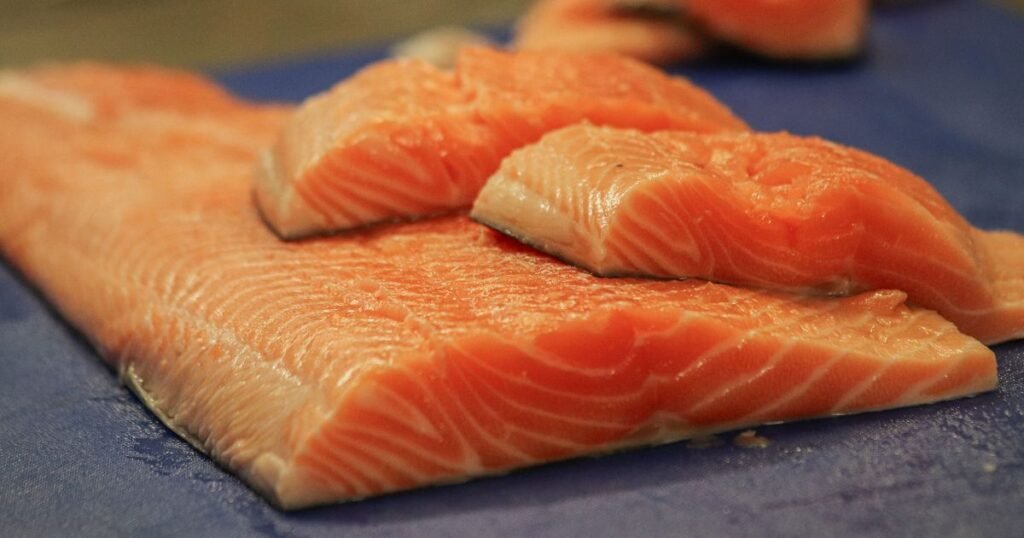
Did you know that 3 Foods With More Vitamin D Than Salmon can help you reach your daily nutrition goals even faster? While salmon is famous for its impressive Vitamin D content, it isn’t the only excellent choice. Several foods high in vitamin D provide equal or even greater amounts of this essential nutrient. Including a variety of vitamin D rich foods in your meals can support strong bones, a healthy immune system, and better overall wellness.
In this guide, you’ll discover the top foods that beat salmon in vitamin D, learn about other natural sources of vitamin D, and find simple ways to build a healthier vitamin D rich diet for you and your family.
Why Vitamin D Is Essential for Your Health
Vitamin D plays a much bigger role than most people realize. This important fat-soluble vitamin helps your body absorb calcium, which is necessary for building strong bones and maintaining excellent bone health throughout life. Without enough Vitamin D, your body struggles with calcium absorption, increasing the risk of weak bones, fractures, and long-term conditions such as osteoporosis. Besides supporting your skeleton, Vitamin D also contributes to healthy muscles, improves immune function, supports heart health, promotes brain health, and helps maintain normal muscle function.
Many Americans don’t get enough dietary vitamin D, especially during winter when sunlight exposure decreases. Since very few foods naturally contain large amounts of this nutrient, experts often recommend eating a wide variety of healthy vitamin D sources. A balanced vitamin D rich diet filled with natural sources of vitamin D, along with safe sunlight exposure, can reduce the risk of vitamin deficiency while supporting healthy aging, energy production, nerve health, and a healthier lifestyle overall.
3 Foods With More Vitamin D Than Salmon
Although salmon remains one of the most popular fish rich in vitamin D, it is not always the winner. Several vitamin D foods contain even higher amounts of this valuable nutrient. These foods not only improve your recommended daily vitamin D intake but also provide protein, omega-3 fatty acids, essential minerals, and other nutrients your body needs every day.
Choosing different foods for healthy bones instead of relying only on salmon also makes your meals more interesting. Let’s explore three excellent vitamin D alternatives to salmon that deserve a place in your weekly menu.
Cod Liver Oil

Among all natural vitamin D foods, cod liver oil stands out as one of the richest sources available. Just one tablespoon provides approximately 1,360 International Units (IU) of Vitamin D, which is well above the recommended daily intake for most adults. That makes it one of the easiest ways to improve your daily vitamin D intake, especially for people who rarely eat seafood.
Beyond its remarkable Vitamin D level, cod liver oil also contains generous amounts of vitamin A, omega-3 fatty acids, and healthy fats. These nutrients work together to support eye health, reduce inflammation, strengthen the healthy immune system, and improve heart health. Since cod liver oil supplement products contain high levels of vitamin A, it’s wise to follow the serving recommendation instead of taking large amounts every day.
Rainbow Trout
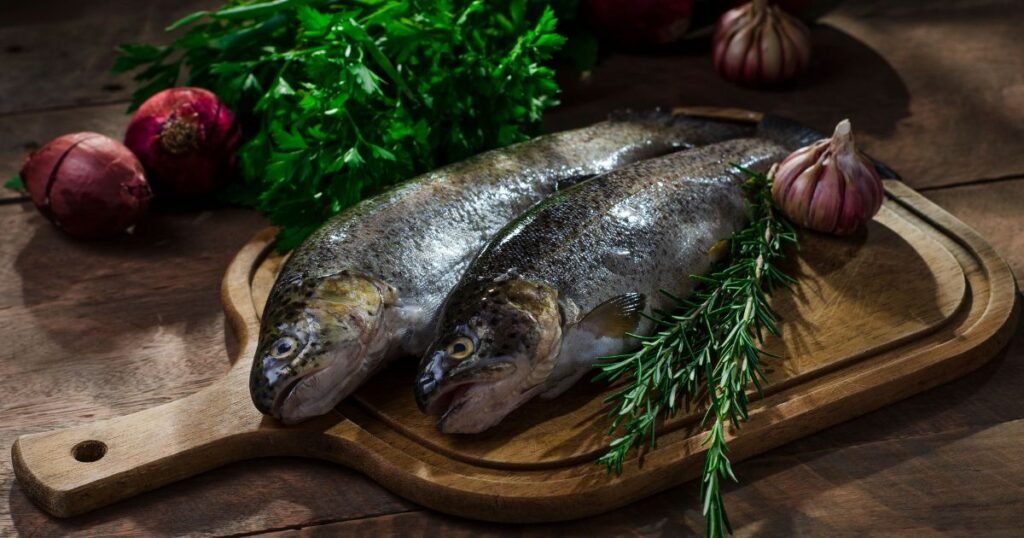
If you enjoy fresh fish, rainbow trout deserves your attention. A three-ounce serving delivers around 645 International Units (IU) of Vitamin D, making it one of the best seafood high in vitamin D choices. This amount is even higher than what the same serving of salmon provides.
Besides impressive vitamin D nutrition, rainbow trout supplies high-quality protein, selenium, potassium, and beneficial omega-3 fatty acids. These nutrients support brain health, heart health, muscle function, and recovery after exercise. Because trout has a mild flavor, it works well baked, grilled, or air-fried, making it one of the easiest high vitamin D meals for busy families.
Atlantic Mackerel
Another excellent option among foods that contain vitamin D is Atlantic mackerel. While it contains slightly less Vitamin D than trout, it still offers around 388 International Units (IU) in one serving. That makes it one of the most nutritious fish rich in vitamin D available in many American grocery stores.
What makes Atlantic mackerel special is its complete nutritional profile. Along with Vitamin D, it provides abundant vitamin B12, protein, healthy fats, selenium, and omega-3 fatty acids. These nutrients support immune function, improve nerve health, encourage energy production, and promote better cardiovascular wellness. Including mackerel in your meal plan once or twice each week is an easy way to improve your overall vitamin D intake while enjoying delicious seafood.
Cod Liver Oil vs Rainbow Trout vs Salmon
The table below shows how these three foods compare in terms of vitamin D content.
| Food | Serving Size | Vitamin D (IU) | Key Benefits |
|---|---|---|---|
| Cod liver oil | 1 tablespoon | 1,360 | Highest Vitamin D, vitamin A, omega-3 fatty acids |
| Rainbow trout | 3 oz | 645 | Protein, selenium, potassium |
| Salmon | 3 oz | 570 | Excellent omega-3 fatty acids, protein |
This comparison shows that while salmon remains an outstanding food, foods with more vitamin D than salmon can help you reach your nutrition goals faster. Rotating these options throughout the week gives your body a wider variety of nutrients instead of relying on a single food source.
Other Foods Rich in Vitamin D
While the three foods above contain impressive amounts of Vitamin D, they are far from the only choices available. Many other vitamin D rich foods can help you maintain healthy levels throughout the year. Mixing different vitamin D food sources into your weekly meals gives your body a steady supply of nutrients while adding more variety to your diet. Some foods naturally contain Vitamin D, whereas others are fortified foods that manufacturers enrich to help people meet their daily nutritional needs. Combining both natural and fortified options creates a balanced vitamin D rich diet that supports long-term health.
Seafood remains one of the best categories for natural sources of vitamin D. Besides salmon, rainbow trout, and Atlantic mackerel, you can also enjoy herring, canned tuna, tilapia, flounder, and sardines. These fish are not only excellent foods rich in omega-3 but also provide protein, selenium, potassium, and several other essential minerals. Eating different types of nutrient-rich seafood throughout the week helps improve your vitamin D nutrition while supporting your heart and brain.
Fatty Fish
Fatty fish remain the gold standard when it comes to healthy vitamin D sources. Their naturally high Vitamin D levels make them some of the most effective foods for improving daily vitamin D intake. Regular servings also deliver valuable healthy fats and omega-3 fatty acids, which contribute to better heart health, reduced inflammation, improved brain health, and stronger immune function.
Popular choices include Atlantic mackerel, herring, canned tuna, tilapia, flounder, sardines, and salmon. Although their vitamin D content varies, each one contributes to a healthier diet while offering additional nutritional benefits. Rotating different fish instead of eating only one type provides a broader range of vitamins and minerals.
Animal-Based Foods
Not everyone enjoys seafood every week. Fortunately, several animal-based foods also contribute to your dietary vitamin D intake. Eggs, especially the egg yolk, naturally contain small amounts of Vitamin D. Although the quantity is lower than fish, eggs remain an affordable and versatile choice that fits easily into breakfast, lunch, or dinner.
Other helpful options include beef liver and certain types of cheese, including American cheese. These foods also provide vitamin A, vitamin B12, protein, and other nutrients that support energy production, nerve health, and overall wellness. While they shouldn’t replace fish completely, they can strengthen your overall vitamin D rich diet.
Fortified Foods
Many Americans receive a significant portion of their Vitamin D through vitamin D fortified foods. Food manufacturers often add this nutrient to products that people consume every day, making it easier to meet nutritional recommendations. These products become especially valuable during winter when sunlight exposure decreases.
Common examples include fortified milk, fortified yogurt, fortified orange juice, soy milk, almond milk, oat milk, and fortified cereal. Some brands contain over 100 International Units (IU) per serving, making them convenient vitamin D foods for children and adults. Always check the nutrition label because vitamin D content can vary between brands.
UV-Exposed Mushrooms
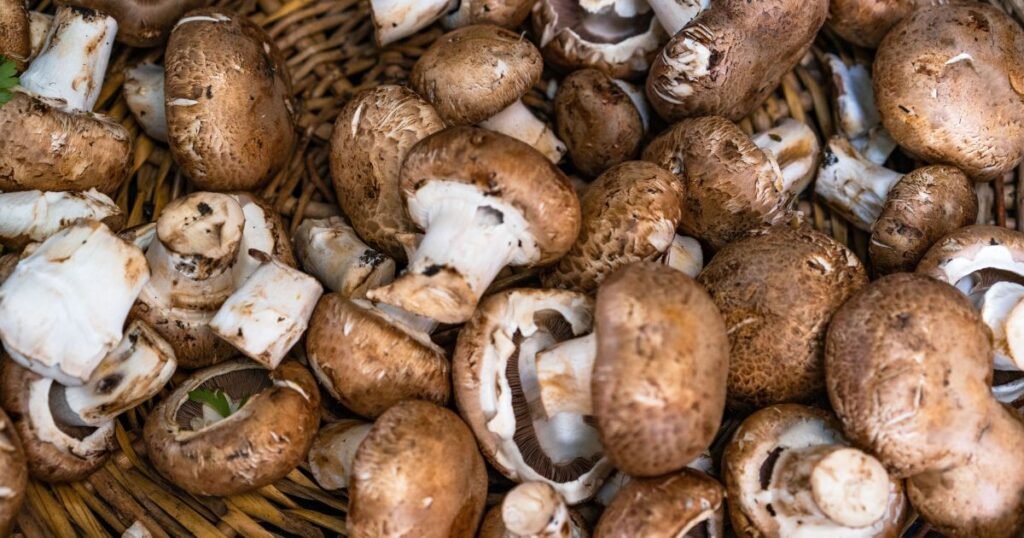
Among plant-based options, UV-exposed mushrooms deserve special attention. Unlike ordinary mushrooms, these are exposed to ultraviolet light during cultivation, allowing them to produce vitamin D2 naturally. This makes them one of the few vegetarian-friendly foods high in vitamin D.
Although vitamin D2 differs slightly from vitamin D3, it still contributes to better bone health, healthier muscles, and improved immune function. Adding grilled or roasted mushrooms to salads, sandwiches, pasta, or stir-fries is a simple way to increase your vitamin D intake, especially if you eat little or no seafood.
Vitamin D Content Comparison Table
Comparing different foods side by side makes it much easier to choose the best vitamin D packed foods for your daily meals. While no single food provides every nutrient your body needs, combining several healthy vitamin D sources throughout the week helps you build a balanced eating pattern. The table below highlights some of the best options available.
| Food | Serving Size | Vitamin D (IU) | Other Key Nutrients |
|---|---|---|---|
| Cod liver oil | 1 tablespoon | 1,360 | Vitamin A, omega-3 fatty acids |
| Rainbow trout | 3 oz | 645 | Protein, selenium, potassium |
| Salmon | 3 oz | 570 | Protein, healthy fats |
| Atlantic mackerel | 3 oz | 388 | Vitamin B12, omega-3 fatty acids |
| UV-exposed mushrooms | ½ cup | 366 | Fiber, antioxidants |
| Fortified milk | 1 cup | 120 | Calcium, protein |
| Fortified yogurt | 1 cup | 127 | Calcium, probiotics |
| Fortified orange juice | 1 cup | 100 | Vitamin C |
| Egg yolk | 2 eggs | 88 | Protein, healthy fats |
| Canned tuna | 3 oz | 68 | Protein, selenium |
Looking at this vitamin D comparison, it’s easy to see why nutrition experts encourage eating different foods instead of depending only on salmon. Combining seafood, fortified foods, dairy products, eggs, and mushrooms creates a more complete eating plan while helping with vitamin D deficiency prevention.
How Much Vitamin D Do You Need Every Day?
The amount of Vitamin D your body requires depends on your age, overall health, and lifestyle. According to U.S. health recommendations, most children and adults need around 600 International Units (IU) each day, while adults over 70 years old generally require about 800 International Units (IU) daily. Pregnant and breastfeeding women usually follow the same recommended daily intake, although individual needs may vary depending on their healthcare provider’s advice.
People who spend little time outdoors, have darker skin tones, or live in colder climates may struggle to reach the recommended daily vitamin D level through sunlight alone. That’s why eating foods that contain vitamin D becomes so important. In some situations, healthcare professionals may also recommend dietary supplements if blood tests show low Vitamin D levels. The best approach is to combine healthy eating, moderate sunlight exposure, and professional guidance whenever necessary.
Best Ways to Increase Vitamin D Naturally
Improving your Vitamin D level doesn’t always require major lifestyle changes. Small daily habits often make the biggest difference over time. Eating a balanced diet filled with natural vitamin D foods remains one of the easiest ways to increase your vitamin D intake. Include foods high in vitamin D such as salmon, rainbow trout, Atlantic mackerel, UV-exposed mushrooms, fortified milk, and fortified yogurt throughout the week instead of relying on a single source. This variety provides your body with other valuable nutrients like protein, omega-3 fatty acids, selenium, and vitamin B12.
Sunlight also plays an important role because your skin naturally produces Vitamin D3 when exposed to ultraviolet B (UVB) rays. Spending 10–30 minutes outdoors several times each week may help maintain healthy levels, although this varies depending on your skin tone, location, season, and sunscreen use. Pairing sensible sun exposure with a vitamin D rich diet gives your body two reliable ways to support bone health, immune function, and healthy aging without depending entirely on supplements.
Pair Vitamin D With Healthy Meals
Your body absorbs Vitamin D more effectively when you eat it with foods containing healthy fats. Since it is a fat-soluble vitamin, adding foods like avocado, nuts, olive oil, or fatty fish can improve vitamin D absorption naturally. This simple habit helps your body use the nutrient more efficiently.
For example, you can enjoy grilled rainbow trout with vegetables, add egg yolk to your breakfast, or drink a glass of fortified milk alongside your meal. These combinations make your vitamin D nutrition even more effective.
Spend Time Outdoors Safely
Safe sunlight exposure remains one of the most natural ways to support Vitamin D production. Walking outside, gardening, cycling, or enjoying a picnic can all help increase natural vitamin D production while improving your mood and physical activity.
However, balance is important. Too much direct sunlight increases the risk of skin damage. Follow your healthcare provider’s advice and use sunscreen during prolonged outdoor activities after you’ve had appropriate sun exposure.
Can You Get Enough Vitamin D From Food Alone?
For many healthy adults, eating enough vitamin D rich foods combined with regular sunlight exposure can provide sufficient Vitamin D. However, not everyone can meet their needs through food alone. People who avoid seafood, follow strict vegan diets, stay indoors most of the time, or live in northern states with limited winter sunlight may struggle to achieve the recommended daily intake.
If your diet lacks enough healthy vitamin D sources, your healthcare provider may recommend dietary supplements or a cod liver oil supplement after checking your blood levels. Never start taking high-dose supplements without medical advice because excessive Vitamin D intake may become harmful. The safest approach combines nutritious food, healthy lifestyle habits, and professional guidance whenever supplementation becomes necessary.
Conclusion
Finding foods with more vitamin D than salmon is easier than many people think. While salmon remains an excellent choice, cod liver oil, rainbow trout, and Atlantic mackerel provide outstanding amounts of Vitamin D while also delivering omega-3 fatty acids, protein, and other essential minerals. Adding fortified foods, UV-exposed mushrooms, eggs, and dairy products creates a balanced vitamin D rich diet that supports strong bones, heart health, brain health, and a healthy immune system.
The best strategy isn’t relying on just one food. Instead, combine several vitamin D food sources, spend time outdoors safely, and maintain a nutritious eating pattern throughout the year. If you think your Vitamin D level may be low, speak with your healthcare provider about testing and personalized recommendations. Small dietary improvements today can make a meaningful difference to your long-term health.
FAQ’S
What foods have more vitamin D than salmon?
Cod liver oil and rainbow trout contain more vitamin D than salmon per serving. UV-exposed mushrooms are also an excellent source.
What food is extremely high in vitamin D?
Cod liver oil is one of the richest natural sources of vitamin D, providing over 1,300 IU in just one tablespoon.
Is 2 eggs a day enough vitamin D?
No. Two eggs provide only about 80–90 IU of vitamin D, which is much less than the recommended daily intake for most adults.
What food has the most natural vitamin D?
Cod liver oil has the highest natural vitamin D content, followed by fatty fish like rainbow trout, salmon, and mackerel.
What are 5 signs of vitamin D deficiency to not ignore?
Common signs include fatigue, muscle weakness, bone pain, frequent illness, and mood changes such as depression or low energy.
3 Responses