
Most people work hard in the gym but still struggle to see real results because of simple workout mistakes they don’t even notice. Poor technique, inconsistent habits, and unrealistic expectations can quietly slow your progress. Learning how to identify and fix these issues can completely change your fitness journey. Whether you’re trying to lose weight, build muscle, or improve endurance, avoiding common errors makes every session more effective.
This guide explains the biggest exercise routine mistakes, why they happen, and how to correct them with practical advice. By making smarter choices, you’ll improve fitness performance, achieve your fitness goals, and enjoy lasting success with a healthier lifestyle while reducing injury risk.
Why Avoiding Common Workout Mistakes Matters
How Small Fitness Mistakes Lead to Bigger Problems
Many people believe that working harder always produces better results. However, poor habits often slow progress more than a lack of effort. Small mistakes repeated every week can reduce fitness performance, delay muscle growth, and even increase the risk of injury. Paying attention to details helps you stay safe while improving every workout.
A smart exercise routine focuses on quality instead of speed. Better movement creates stronger muscles and healthier joints. When you correct mistakes early, every workout becomes more effective. Over time, these small improvements produce noticeable changes in strength, endurance, and overall physical health.
| Common Mistake | Possible Result | Better Choice |
|---|---|---|
| Poor technique | Injury risk | Learn correct movement |
| No workout plan | Slow progress | Follow a structured routine |
| Skipping recovery | Fatigue | Prioritize rest |
| Poor nutrition | Low energy | Eat balanced meals |
The Most Common Workout Mistakes Beginners Make
Beginner Gym Habits That Slow Down Progress
Most beginners enter the gym full of excitement. Unfortunately, many copy experienced lifters without understanding proper training. One of the biggest mistakes is doing random exercises every visit instead of following a structured workout program. Another common issue is ignoring fitness assessment before starting, making it difficult to measure improvement.
Many beginners also lift too much weight too soon. Heavy weights with poor proper form increase injury risk instead of building muscle. Others constantly compare themselves with advanced athletes, which leads to frustration instead of motivation. Focusing on your own exercise progression creates better long-term results and builds confidence naturally.
| Beginner Mistake | Why It Hurts Progress | Smart Solution |
|---|---|---|
| No training plan | Inconsistent results | Follow a weekly schedule |
| Heavy weights too early | Poor technique | Master movement first |
| Copying others | Wrong exercises | Train for your own goals |
| No consistency | Slow improvement | Build daily habits |
Poor Exercise Form and Technique Mistakes
Why Proper Form Matters More Than Heavy Weights
Good technique always beats heavy lifting. Many people sacrifice proper exercise technique just to move bigger weights. This habit places unnecessary stress on joints, reduces muscle activation, and increases the chance of injury. A slow, controlled movement helps your muscles work harder and improves long-term results.
Using correct exercise instruction builds confidence while making every repetition count. If you’re unsure about an exercise, ask a qualified fitness coach or record your movement for review. Small posture corrections today can prevent months of pain tomorrow and help you train safely.
Many gym injuries happen because people rush through repetitions or ignore full range of motion. Controlled movement keeps your body aligned and improves strength naturally. It also develops better coordination and allows your muscles to adapt safely over time.
| Form Mistake | Possible Problem | Better Approach |
|---|---|---|
| Rounded back | Lower back injury | Keep spine neutral |
| Fast repetitions | Less muscle activation | Lift with control |
| Partial movement | Limited results | Use full range of motion |
| Poor breathing | Early fatigue | Breathe consistently |
Training Mistakes That Limit Muscle Growth
Train Smarter Instead of Just Training Harder
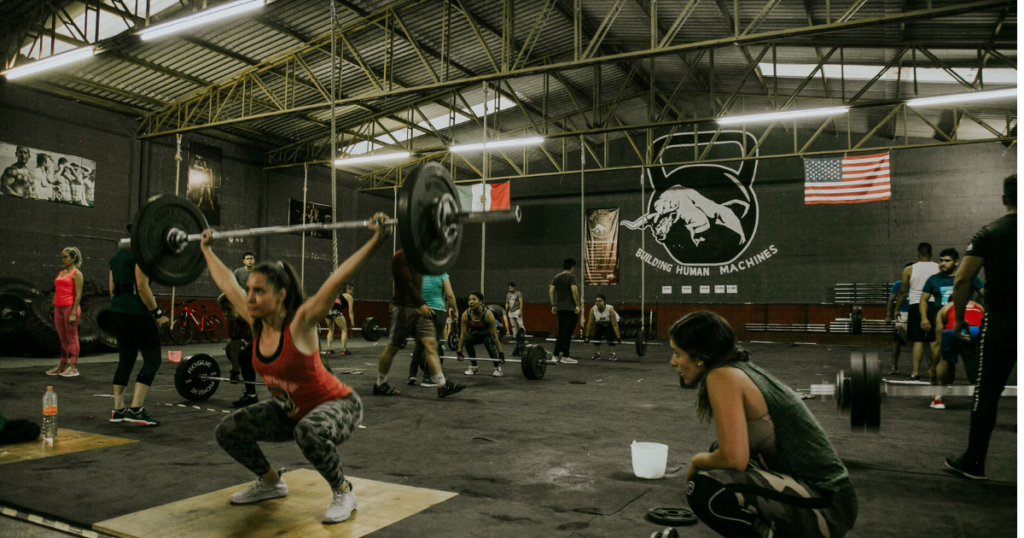
Muscles grow when they receive the right challenge followed by proper recovery. Many people repeat the same strength training routine every week without increasing difficulty. Without progressive overload, your body quickly adapts and growth slows down.
A balanced training program should include gradual increases in weight, repetitions, or training volume. Tracking every workout helps measure fitness results and keeps progress moving forward. Small improvements each week often produce bigger changes than random intense workouts.
Another mistake is training every muscle with maximum effort every day. Your muscles need time to repair after resistance exercise. Recovery is where growth actually happens. Consistent training combined with smart rest creates stronger muscles and better performance over time.
| Muscle Growth Mistake | Effect on Progress | Better Solution |
|---|---|---|
| Same workout every week | Plateau | Increase difficulty gradually |
| No recovery | Poor muscle repair | Rest between sessions |
| Too much volume | Overtraining | Train with balance |
| No progress tracking | Difficult to improve | Record each workout |
Cardio Mistakes That Slow Your Fitness Progress
Balance Cardio With Strength Training
Cardio supports heart health and burns calories, but too much can slow muscle growth. Many people spend their entire workout doing cardio training while ignoring strength workouts. This creates an imbalance that limits overall fitness. A combination of resistance exercises and moderate cardio delivers better long-term results.
Your exercise routine should match your personal goals. If you want weight management, combine cardio with resistance training. If building muscle is your priority, perform strength work first and finish with shorter cardio sessions. This simple adjustment protects energy levels and improves performance.
Long sessions of low-intensity cardio every day may also increase fatigue. Your body needs variety to keep improving. Mixing walking, cycling, rowing, or interval training prevents boredom and challenges different muscle groups. Consistency always beats excessive volume.
| Cardio Mistake | Effect | Better Solution |
|---|---|---|
| Only doing cardio | Less muscle growth | Combine with strength training |
| Too much cardio | Muscle fatigue | Balance weekly sessions |
| Same cardio daily | Fitness plateau | Add variety |
| Cardio before lifting | Lower strength | Lift first if building muscle |
Recovery Mistakes That Hurt Performance
Recovery Is Part of Every Successful Workout
Many people believe resting means losing progress. The truth is exactly the opposite. Recovery allows your muscles to repair, grow, and become stronger. Ignoring exercise recovery often leads to poor fitness performance, constant soreness, and reduced motivation.
Sleep is one of the most powerful recovery tools. Seven to nine hours each night supports hormone balance, muscle repair, and mental focus. Staying hydrated and eating nutritious meals also help your body recover faster after difficult training sessions.
Rest days should never make you feel guilty. Gentle stretching, walking, or yoga keeps your body active while giving tired muscles time to heal. Smart recovery prevents burnout and supports steady progress throughout your entire fitness journey.
| Recovery Mistake | Possible Outcome | Better Habit |
|---|---|---|
| Skipping rest days | Overtraining | Schedule recovery days |
| Poor sleep | Slow muscle repair | Sleep 7–9 hours |
| Low water intake | Fatigue | Stay hydrated |
| Training while injured | Longer recovery | Allow healing before returning |
Nutrition and Hydration Mistakes to Avoid
Fuel Your Body the Right Way
Exercise alone won’t deliver the results you want if your eating habits are poor. Many people ignore healthy eating and underestimate the value of nutrition knowledge. Your body needs protein, healthy carbohydrates, and quality fats to recover properly. A balanced healthy diet supports muscle repair, improves energy, and helps you stay consistent with your workouts.
Hydration matters just as much as food. Even mild dehydration can reduce strength, endurance, and concentration during training. Drinking water before, during, and after exercise keeps your body performing at its best. Smart nutrition combined with proper hydration makes every workout more productive and supports long-term progress.
| Nutrition Mistake | Effect on Performance | Better Habit |
|---|---|---|
| Skipping meals | Low energy | Eat balanced meals |
| Not enough protein | Slow muscle recovery | Include protein in every meal |
| Poor hydration | Early fatigue | Drink water consistently |
| Eating processed foods often | Lower performance | Choose whole, nutrient-rich foods |
Mental Mistakes That Hold You Back in the Gym
Build the Right Mindset for Long-Term Success
Your mindset can either speed up your progress or quietly hold you back. Many people compare themselves with experienced athletes instead of focusing on personal improvement. This creates frustration and reduces exercise motivation. Remember that every successful athlete once started as a beginner.
Setting realistic expectations is equally important. Real fitness takes patience and consistent effort. Celebrate small victories because they lead to bigger achievements. Positive thinking improves client confidence, keeps motivation high, and makes your fitness journey more enjoyable from start to finish.
Trying to be perfect every day often causes people to quit. Missing one workout or eating one unhealthy meal doesn’t erase your progress. Stay focused on consistency instead of perfection. Small daily improvements create lasting results and help build a healthier lifestyle.
| Mental Mistake | Negative Impact | Better Mindset |
|---|---|---|
| Comparing yourself to others | Low confidence | Focus on personal progress |
| Expecting instant results | Frustration | Be patient and consistent |
| Fear of failure | Missed opportunities | Learn from mistakes |
| Negative self-talk | Lower motivation | Practice positive thinking |
Conclusion
Small Changes Lead to Big Results
Avoiding common workout mistakes is one of the fastest ways to improve your fitness. Train with purpose, stay patient, and focus on consistency instead of perfection. Smart decisions today create stronger muscles, better endurance, and lasting health tomorrow.
Remember that fitness is a lifelong journey, not a race. Learn from mistakes, celebrate progress, and keep refining your routine. The right mindset, proper technique, balanced nutrition, and regular recovery will help you reach your goals while enjoying every step of the process.
FAQ’S
How to Spot a Bad Personal Trainer?
A bad personal trainer ignores your goals, uses poor coaching techniques, and doesn’t correct your form or prioritize your safety during workouts.
What Is the Least Favorite Exercise?
Many people dislike burpees because they combine strength, cardio, and endurance into one demanding movement that quickly raises your heart rate.
What Is the Gym Rule Number 1?
The number one gym rule is to use proper form and respect others by sharing equipment, cleaning up, and following gym etiquette.
How Can I Build Muscle After 50?
Build muscle after 50 by doing regular strength training, eating enough protein, getting quality sleep, and allowing proper recovery between workouts.
What Exercise Is the Hardest on Your Body?
Burpees are often considered one of the toughest exercises because they challenge your muscles, heart, lungs, and coordination all at once.
One Response