4-7-8 Breathing is a simple yet powerful breathing method that helps you relax, lower stress, and improve your overall well-being. Developed from ancient pranayama breathing practices, this technique uses a specific breathing pattern to calm your mind and body naturally. By practicing deep breathing regularly, you can support better sleep, improve focus, and encourage a healthy response to everyday stress.
Many people use this easy exercise before bedtime, during busy workdays, or whenever they need to reset. Whether you’re new to breathing exercises or looking for a reliable wellness habit, mindful breathing offers a practical way to improve your stress management and create a healthier lifestyle.
Top Benefits of 4-7-8 Breathing
One of the biggest 4-7-8 breathing benefits is its ability to help you feel calm within minutes. When you slow your breathing, your body receives a signal that the stressful moment has passed. This activates the parasympathetic nervous system activation, lowers tension, and supports stress relief. Many people notice that regular breathing practice also improves emotional balance and makes daily challenges easier to handle. Over time, this simple habit can become a natural part of a healthy lifestyle.
Another advantage is better physical and mental wellness. Regular deep breathing exercises can improve oxygen delivery, encourage better breathing, and help maintain healthy heart rate and blood pressure levels. Many users also report better focus, improved mood, and stronger energy throughout the day. Although results vary from person to person, making daily breathing practice a routine often supports both body and mind without requiring special equipment.
| Benefit | How It Helps |
|---|---|
| Stress Relief | Helps calm the mind and body |
| Better Sleep | Makes it easier to relax before bed |
| Improved Focus | Supports mental clarity |
| Lower Anxiety | Reduces feelings of nervousness |
| Healthy Heart | Helps regulate heart rate and blood pressure |
Reduces Stress and Anxiety Naturally
Stress affects almost every part of your life, from your mood to your physical health. The 4-7-8 breathing for stress method slows your breathing rate, helping interrupt the stress response before it becomes overwhelming. Many people use 4-7-8 breathing for anxiety before work meetings, exams, or important conversations because it creates a feeling of calm without medication.
Helps You Fall Asleep Faster
Many people struggle with racing thoughts at bedtime. The 4-7-8 breathing for sleep method gives your brain something simple to focus on instead of worrying. As your breathing becomes slower, your muscles begin to relax, making improve sleep naturally easier. Practicing it every night may also improve overall sleep quality over time.
Supports Heart and Lung Health
Slow breathing gives your lungs time to expand fully and release trapped air. This supports lung health, improves lung function, and encourages healthy breathing habits. At the same time, slow exhalation helps reduce heart rate naturally, allowing your cardiovascular system to work more efficiently.
What Happens to Your Body During 4-7-8 Breathing?
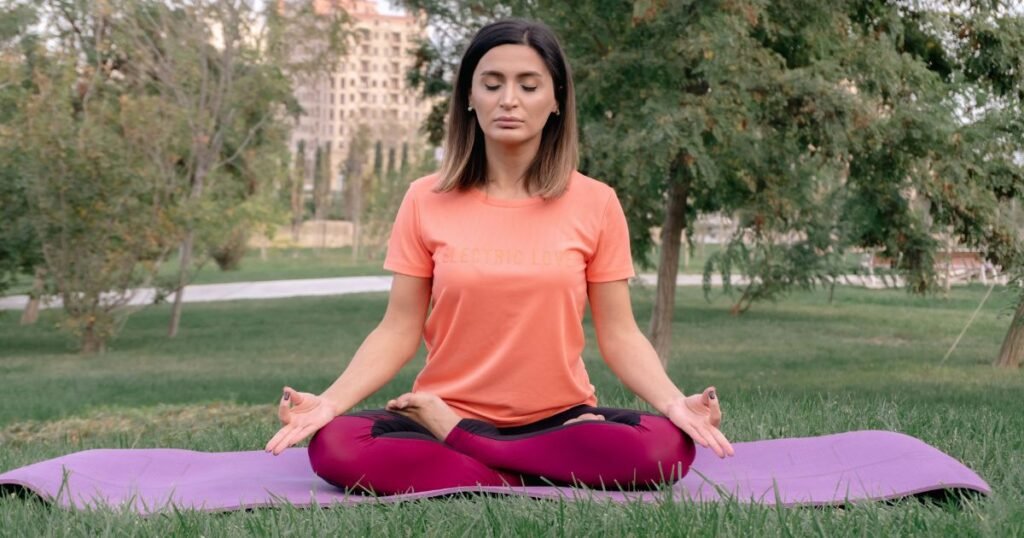
Every breath you take sends messages throughout your nervous system. During 4-7-8 breathing, slow inhalation increases oxygen intake while the breath hold allows oxygen exchange to continue efficiently. The long exhale then encourages your body to release tension. This gradual shift supports how breathing affects your body and helps restore balance after stressful situations.
Inside your body, several systems begin working together. Your autonomic nervous system shifts away from the sympathetic nervous system, which controls the fight or flight response, toward relaxation. Muscles loosen, breathing becomes smoother, and mental focus improves. This is why many people describe breathing for relaxation as one of the easiest wellness habits to maintain.
| Body System | Response During 4-7-8 Breathing |
|---|---|
| Nervous System | Moves toward relaxation |
| Heart | Beats more slowly |
| Lungs | Expand more efficiently |
| Brain | Improves concentration |
| Muscles | Become less tense |
Your Nervous System Starts to Relax
As soon as your breathing slows, your body begins to calm down. Calm your nervous system happens because slow breathing activates the body’s natural relaxation pathways. Instead of preparing for danger, your brain recognizes that you are safe, making mental relaxation much easier.
Oxygen Moves More Efficiently
A slow breathing rhythm allows your lungs to work more effectively. Better oxygen exchange supports mind-body connection, improves energy levels, and helps maintain healthy body functions. Over time, consistent controlled breathing can make everyday breathing feel smoother and more comfortable.
Your Mind Becomes Clearer
One hidden benefit of mindfulness breathing is improved attention. By focusing only on counting your breaths, distracting thoughts begin to fade. Many people notice improve concentration and focus improvement after just a few minutes of regular practice.
What Does Science Say About 4-7-8 Breathing?
Scientific research continues to explore how deep breathing works and why it supports emotional and physical health. While studies specifically on 4-7-8 breathing remain limited, researchers have found strong evidence that slow breathing techniques reduce stress hormones, improve heart rate variability, and support emotional well-being. These findings closely match the principles used in this breathing method.
Researchers studying pranayama breathing exercises have also reported improvements in anxiety, sleep, attention, and cardiovascular health. Although scientists continue to investigate the exact mechanisms, most experts agree that regular mindful breathing exercises offer meaningful benefits when practiced consistently. The strongest results usually appear after several weeks of daily use instead of expecting overnight changes.
| Scientific Finding | Observed Benefit |
|---|---|
| Reduced Stress Hormones | Better relaxation |
| Lower Heart Rate | Improved cardiovascular health |
| Better Sleep | Easier bedtime relaxation |
| Improved Attention | Better focus |
| Lower Anxiety Levels | Greater emotional balance |
Research Supports Slow Breathing
Several clinical studies show that deep breathing benefits include lower stress, better emotional control, and healthier blood pressure. Although Dr. Andrew Weil popularized this specific pattern, many of its advantages are consistent with broader research on breathing meditation and pranayama breathing.
Results Improve With Daily Practice
Science also suggests consistency matters more than perfection. Short sessions of daily breathing exercises practiced every day often produce better long-term outcomes than occasional longer sessions. Like exercise, breathing routine becomes more effective when it turns into a daily habit.
Experts Recommend Combining It With Healthy Habits
Breathing alone won’t solve every health issue. Experts recommend pairing 4-7-8 breathing method with regular exercise, balanced nutrition, quality sleep, and stress management strategies. Together, these habits create stronger support for long-term wellness and emotional health.
4-7-8 Breathing vs Other Breathing Techniques
Different breathing methods serve different purposes, so choosing the right one depends on your goal. 4-7-8 breathing focuses on longer exhalation to trigger relaxation, while other methods improve concentration, energy, or mindfulness. Learning several breathing techniques gives you more options for different situations throughout the day.
Although every method encourages controlled breathing, they are not identical. Some techniques use equal counts for inhaling and exhaling, while others emphasize breath retention or alternate nostrils. Understanding these differences helps you decide which breathing practice fits your lifestyle and wellness goals.
| Breathing Technique | Best For | Main Focus |
|---|---|---|
| 4-7-8 breathing | Relaxation and sleep | Long exhale |
| Box breathing vs 4-7-8 breathing | Focus under pressure | Equal breathing counts |
| Alternate nostril breathing | Mental balance | Nasal airflow control |
| Diaphragmatic breathing | Daily relaxation | Deep belly breathing |
| Pursed-lip breathing | Lung support | Slow controlled exhale |
4-7-8 Breathing vs Box Breathing
The biggest difference between box breathing vs 4-7-8 breathing is the breathing pattern. Box breathing uses equal counts for inhaling, holding, exhaling, and pausing. The 4-7-8 breathing technique places greater attention on a long exhale, making it a stronger choice for relaxation and bedtime.
4-7-8 Breathing vs Alternate Nostril Breathing
Alternate nostril breathing comes from traditional yoga and focuses on balancing both sides of the body through alternating airflow. In comparison, 4-7-8 breathing method is easier for beginners because it only requires counting your breath without changing nostrils.
Which Breathing Technique Is Best?
There isn’t a single best breathing exercise for everyone. If your goal is better sleep or reducing anxiety, best breathing exercises often include 4-7-8 breathing for sleep. If you need sharp focus before a presentation, box breathing may feel more effective.
Common Mistakes to Avoid When Practicing 4-7-8 Breathing
Many beginners expect instant results, but patience matters. One common mistake is breathing too quickly instead of maintaining slow breathing. Another is forcing the breath hold until discomfort appears. The goal is calm breathing, not competition. Staying relaxed makes the breathing routine far more effective.
Consistency also plays a major role. Some people try the exercise once and quit because they don’t notice immediate changes. However, daily breathing exercises gradually train your body to respond more calmly to stress. Small improvements build over time, just like physical fitness.
| Common Mistake | Better Approach |
|---|---|
| Breathing too fast | Count slowly |
| Holding breath too hard | Stay comfortable |
| Poor posture | Sit upright |
| Practicing only once | Build a daily habit |
| Expecting instant results | Stay consistent |
Don’t Force Your Breath
Your breathing should remain smooth throughout the exercise. If you feel dizzy, shorten the breath counts until your body adapts. Comfortable breath control produces better long-term results than forcing longer holds.
Maintain Good Posture
Good posture helps your lungs expand naturally. Sitting upright with relaxed shoulders improves healthy breathing and allows deeper oxygen exchange. Slouching limits lung movement and reduces the effectiveness of the exercise.
Stay Consistent
Missing an occasional day isn’t a problem. However, practicing only once every few weeks won’t create lasting changes. Building healthy breathing habits through regular sessions produces stronger improvements in relaxation and emotional balance.
Who Should Use or Avoid 4-7-8 Breathing?
Most healthy adults can safely practice 4-7-8 breathing as part of a daily wellness routine. Students, professionals, athletes, and older adults often use this breathing meditation to improve relaxation, focus, and sleep. It requires no equipment, making it accessible almost anywhere.
Certain people should still be cautious. Anyone with severe breathing disorders, uncontrolled asthma, chronic lung disease, or heart conditions should speak with a healthcare professional before beginning any structured breathing exercises. Safety should always come before performance.
| Suitable For | May Need Medical Advice |
|---|---|
| Healthy adults | Severe asthma |
| Students | COPD |
| Busy professionals | Serious heart disease |
| Older adults | Chronic lung disorders |
| Beginners | Pregnancy complications (consult doctor) |
Ideal for Everyday Stress
If your daily schedule feels overwhelming, breathing for mental health can become a practical habit. Just a few minutes each day may help reduce stress naturally while supporting emotional resilience.
Helpful Before Sleep
Many people practice breathing for better sleep shortly before bedtime. Creating a calm evening routine allows the body to unwind naturally without relying on electronic devices or unnecessary stimulation.
Know Your Limits
If you experience persistent dizziness, chest discomfort, or breathing difficulty, stop immediately and seek medical advice. Gentle mindful breathing should always feel comfortable rather than stressful.
How Often Should You Practice 4-7-8 Breathing?
Building a regular habit delivers better results than practicing only during stressful moments. Most experts recommend starting with 4-7-8 breathing twice daily. Morning sessions prepare your mind for the day, while evening practice supports better sleep and relaxation before bedtime. Even five minutes can make a noticeable difference.
As your confidence grows, you can gradually increase the number of breathing cycles. However, quality matters more than quantity. A calm and consistent daily breathing practice is far more effective than rushing through long sessions. Over time, your body naturally responds faster to the relaxation response.
| Experience Level | Recommended Practice |
|---|---|
| Beginner | 4 cycles twice daily |
| Intermediate | 6 cycles twice daily |
| Advanced | Up to 8 cycles per session |
| Before Sleep | 4–8 cycles |
| During Stress | 2–4 calming cycles |
Best Time to Practice 4-7-8 Breathing
The best time depends on your routine. Many people use 4-7-8 breathing for stress during work breaks and 4-7-8 breathing for sleep before bed. Others practice after meditation, yoga, or exercise to extend their sense of calm.
H3: Can You Practice Too Much?
Most healthy adults won’t have problems with regular practice. However, avoid overdoing the technique when you’re first learning. If dizziness appears, reduce the number of cycles until your body adjusts to the new breathing pattern.
Conclusion
Learning what is 4-7-8 breathing gives you a practical tool that costs nothing yet delivers meaningful health benefits. This simple breathing technique helps calm your mind, improve sleep quality, lower stress, and strengthen your mind-body connection. Unlike complicated wellness trends, it fits easily into almost any daily schedule.
The real power of 4-7-8 breathing benefits comes from consistency. A few mindful minutes each day can gradually improve emotional balance, focus, and overall well-being. Whether you’re trying to reduce anxiety naturally, sleep better, or simply enjoy a calmer day, this gentle breathing method offers a safe and effective place to start. Small habits often create the biggest transformations.
Frequently Asked Questions
Why is my exhale longer than inhale?
A longer exhale is usually normal and helps activate your body’s relaxation response. It calms the nervous system and supports better stress control.
What are the best slow breathing techniques?
Popular slow breathing techniques include 4-7-8 breathing, box breathing, diaphragmatic breathing, and alternate nostril breathing. Each method promotes relaxation and improves breathing control.
What are the symptoms of slow breathing?
Healthy slow breathing may cause a slower heart rate, a calm mind, improved focus, and muscle relaxation. Some beginners may briefly feel lightheaded while adjusting.
Why do I have a slow inhale and fast exhale while sleeping?
This breathing pattern can happen occasionally during sleep and is often harmless. If it occurs with loud snoring or repeated breathing pauses, seek medical advice.
Which breathing practices are best for stress and anxiety reduction?
Techniques such as 4-7-8 breathing, diaphragmatic breathing, and box breathing are effective for reducing stress, lowering anxiety, and promoting a calmer state of mind.