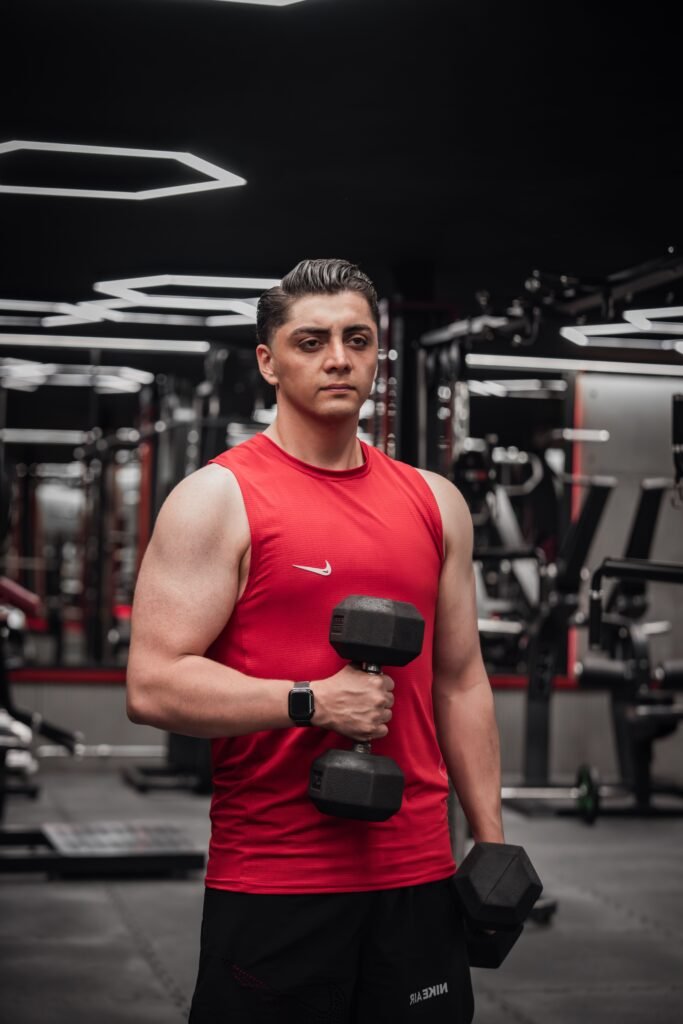
Stiff, Achy, or Nervous About Gym Machines After 55? Try These 5 Trainer-Approved Exercises.
However, many adults over 55 stop exercising because of joint pain, back pain, or fear of getting injured. While gym machines may seem like the safest option, many fitness experts believe that simple freestanding exercises can be far more effective for improving strength, symmetry, and motility in everyday life.
According to experienced personal trainers, the goal is not just to build muscle; it is to help your body move better during daily tasks such as carrying groceries, climbing stairs, or playing with grandchildren.
Why Pain Becomes More Common After 55
Years of sitting, reduced activity, and weakened muscles can place extra stress on the lower back. Knee pain is another frequent issue and is often linked to weak hip and glute muscles rather than the knees themselves.
Shoulder pain is also common due to poor posture and a lack of power in the muscles that facilitate the shoulder joint. Over time, these imbalances can make simple movements feel difficult and uncomfortable
Why Free-Standing Exercises Are Better Than Machines?
Most gym machines guide your body through a fixed movement pattern. Freestanding exercises require your body to work as a complete system. They improve stabilizing, coordination, stability, and functional strength, the type of strength you actually use in everyday life. This can help reduce the risk of falls, injuries, and mobility issues as you age.
1. Hip Hinge:
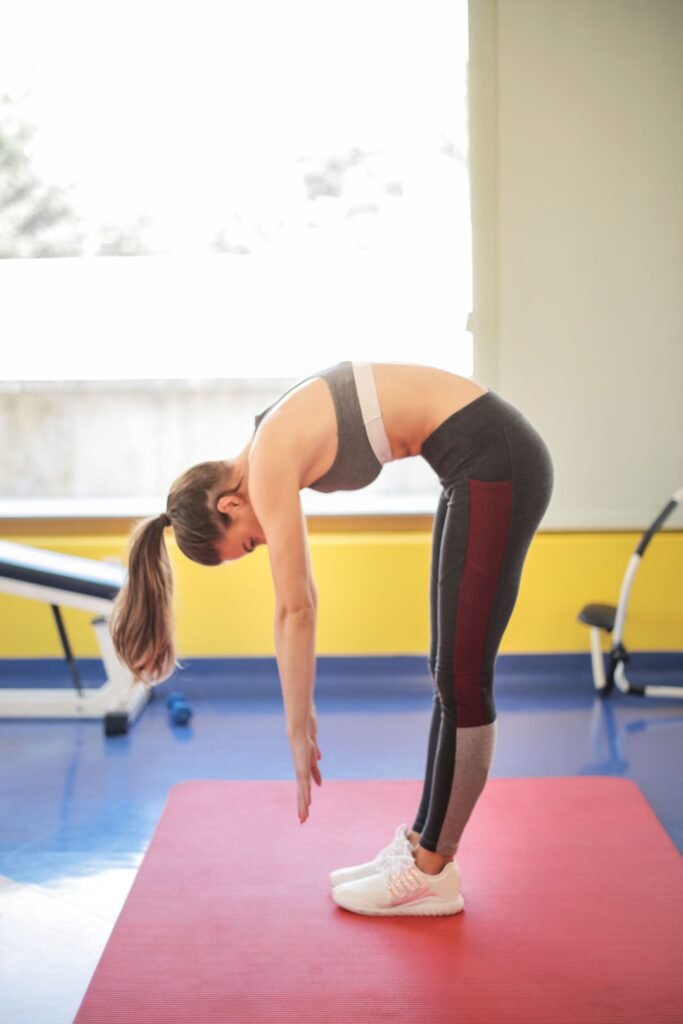
The hip hinge is one of the best exercises to prevent the lower back and improve movement patterns.
Benefits:
Strengthens glutes and hamstrings;
Improves posture;
lacks lower back strain
How to Perform:
Stand with feet hip-width apart. Slightly bend your knees Push your hips backward while keeping your back straight. Lower until you feel a gentle stretch in your hamstrings. Compress your glutes and return to standing.
2. Body weight Squat to Chair:
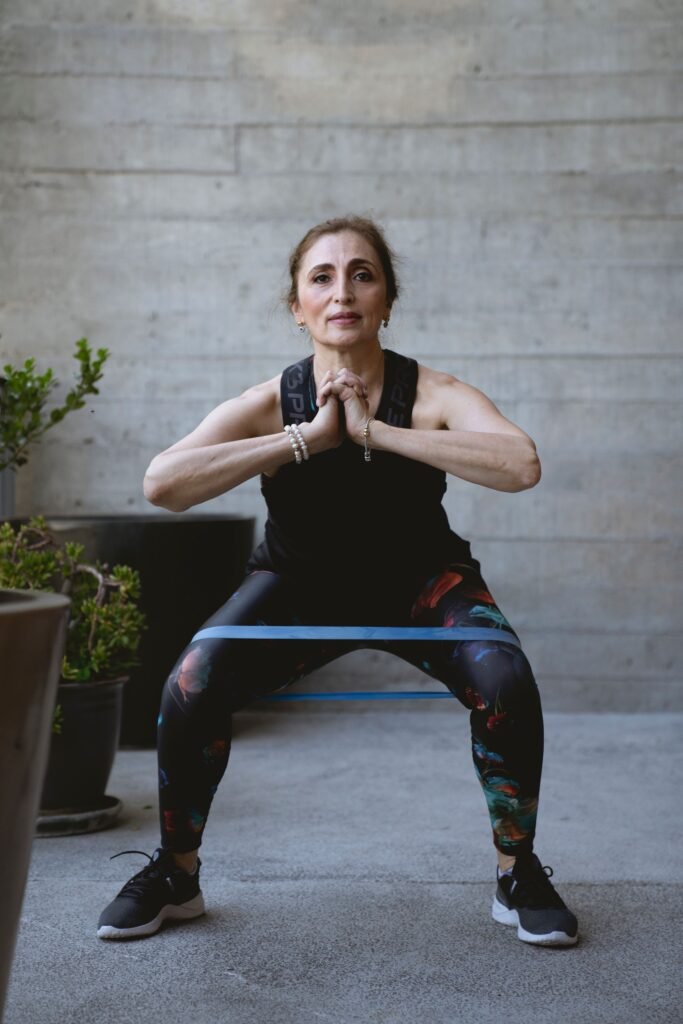
This exercise helps improve leg strength and makes everyday tasks like sitting and standing much easier.
Benefits:
Strengthens thighs and glutes
Improves balance;
facilitates healthy knees.
How to Perform:
Stand in front of a sturdy chair. Push your hips back and slowly lower yourself. Lightly touch the chair before standing back up. Keep your chest lifted throughout the mobility.
3. Split Squat:
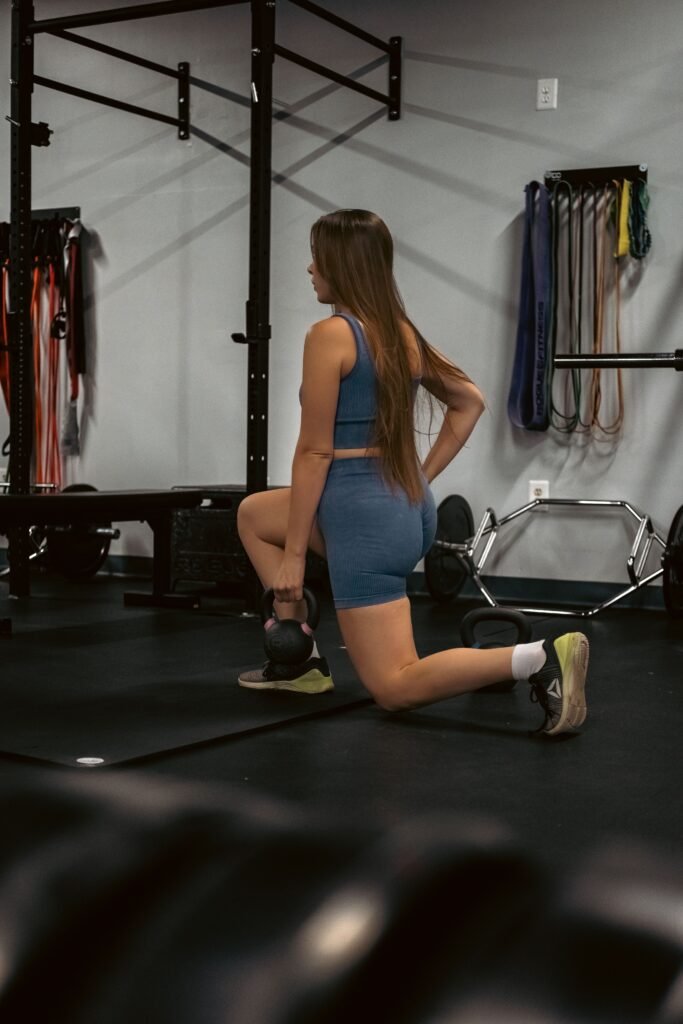
The split squat trains one leg at a time and helps improve balance while strengthening muscles that facilitate the knees.
Benefits:
Improves lower body strength;
increases stability;
increase stabilityincreases stability;
facilitatese knee health.
How to Perform:
Step one foot forward and one foot backward. Slowly lower your body by bending both knees. Push through the front heel to return to standing. Complete all repetitions before switching sides.
4. Incline Push-Up
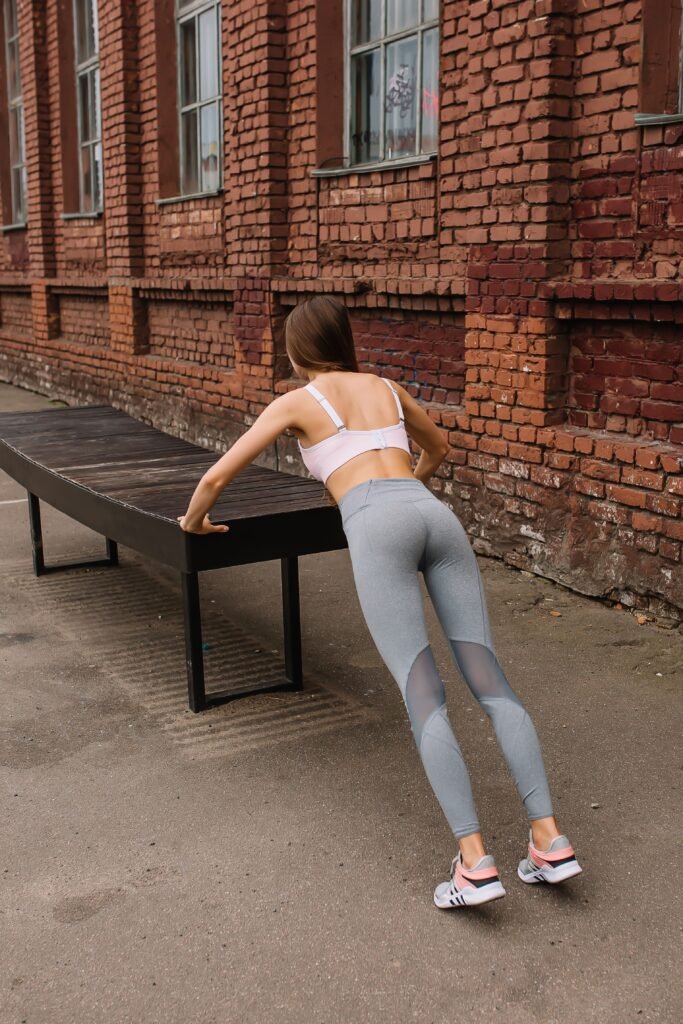
This starting-friendly push-up variation strengthens the upper body without placing too much strain on the shoulders.
Benefits:
Builds chest and arm power;
Increases shoulder stability;
Engages the core.
How to Perform:
Place your hands on a sturdy countertop or table. Walk your feet back until your body forms a straight line. Lower your chest toward the surface. Push yourself back up slowly.
5. Single-Arm Bent-Over Row
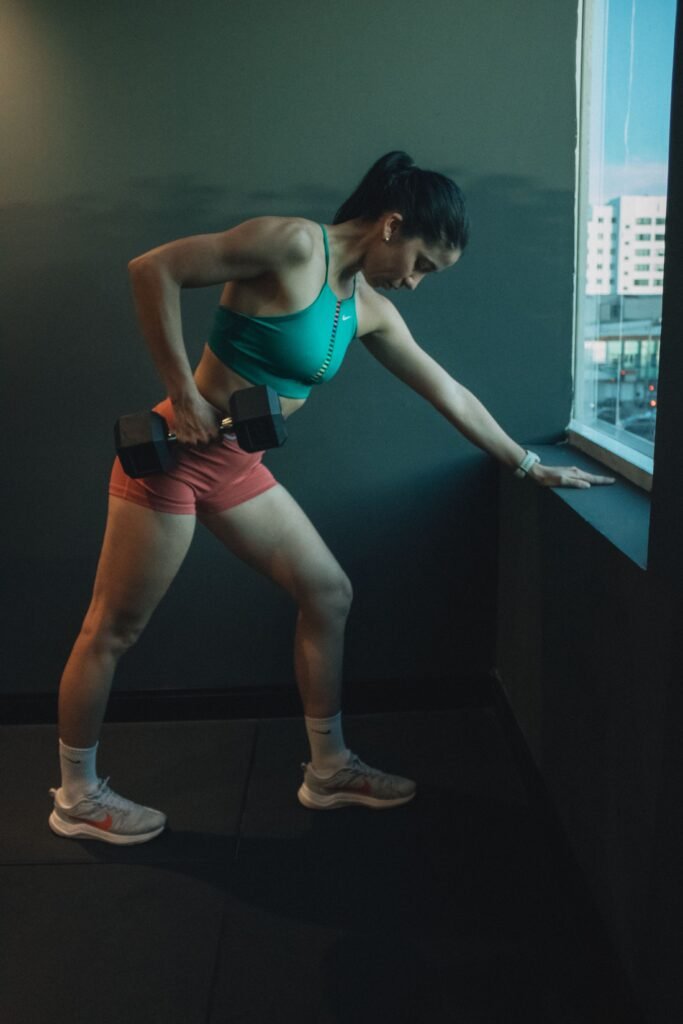
This movement strengthens the upper back and helps enhance posture.
Benefits:
Facilitate spinal health
Strengthens upper back
muscles Improves overall pulling strength.
How to Perform:
Only one hand on a chair or bench. Hold a light weight or water bottle in the opposite hand. Pull the weight toward your hip. Lower slowly and repeat before changing sides.
How often should you train?
For most adults over 55, training three times per week is a best starting point. Begin with two sets of 8–12 repetitions for each exercise. Focus on proper form rather than lifting heavy weights.
As your power increases, you can gradually increase repetitions, add another set, or use light weights for additional opposition.
What Results Can You Expect?
Many people notice improvements within just a few weeks. Daily tasks often become easier, balance improves, and common aches begin to decrease. After four to six weeks, many adults report better motility, improved confidence, and enhanced power during everyday tasks.
The Key to Healthy Aging:
One of the biggest mistakes people make after 55 is avoiding movement because of pain. In reality, appropriate exercise is often one of the best ways to lack stiffness, maintain independence, and facilitate long-term health. Consistent movement helps keep muscles strong, joints mobile, and the body functioning efficiently. Even short 25 to 30-minute workouts performed a few times each week can make a significant difference in quality of life and overall well-being.
Final Thoughts:
Getting older does not mean giving up on fitness. With the right exercises and a consistent routine, adults over 55 can improve strength, reduce pain, enhance balance, and enjoy a more active lifestyle. These simple freestanding movements are practical, effective, and designed to help you move better both inside and outside the gym.