Depression May Affect More Than the Brain, New Study Suggests
For years, depression has been viewed primarily as a disease of the brain. However, new research suggests its effects may extend throughout the entire body, including the immune system.
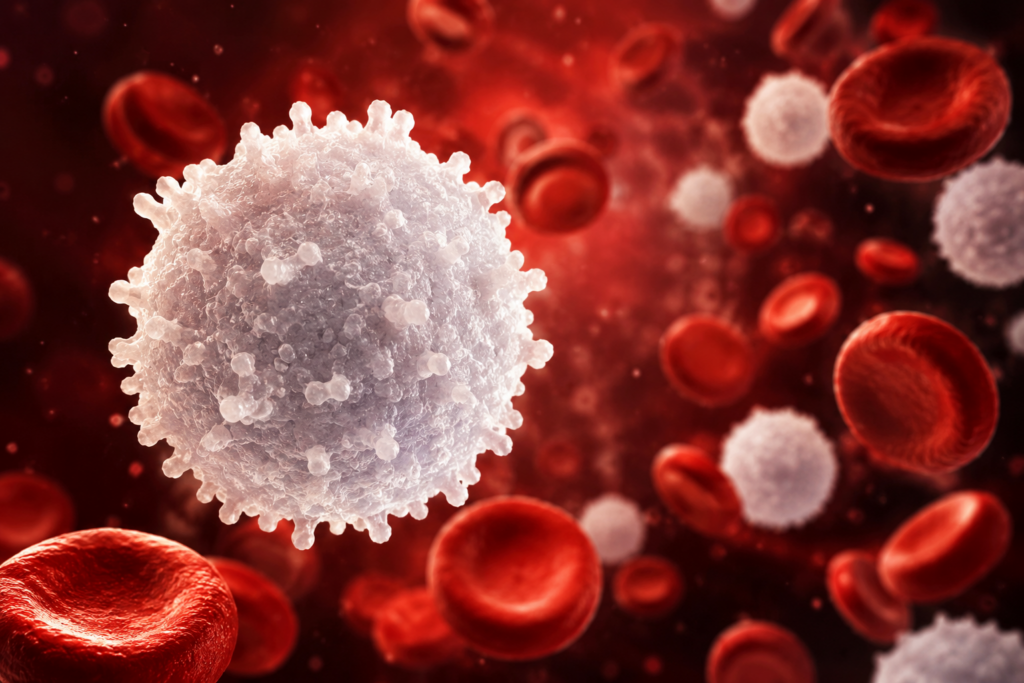
A recent study published in Scientific Reports found that people with Major Depressive Disorder (MDD) show changes in the genetic activity of their white blood cells. Surprisingly, many of the affected genes are normally linked to brain communication and neural connections. The findings provide new evidence that depression is not just a mental health condition—it may also be a complete-body disorder.
The connection Between the Brain and the Immune System
The study was conducted by researchers at the University of São Paulo in Brazil, supported by the São Paulo Research Foundation. Led by Professor Otávio Cabral-Marques and doctoral researcher Anny Silva Adri, the team explored how genes Link the nervous system and the immune system.
According to Cabral-Marques, depression should be viewed as a systemic condition rather than something confined to the brain.
“Depression affects the entire body,”he explained. “The immune system helps spread the effects of the condition beyond the central nervous system, which may explain why people with depression often experience symptoms such as inflammation, fatigue, and changes in appetite.”
Why White Blood Cells Matter
White blood cells, also known as leukocytes, are best known for defending the body against infections and disease. But researchers have discovered that these immune cells share many biological features with brain cells.
They contain receptors and enzymes that respond to neurotransmitters—the chemical messengers that allow nerve cells to communicate. While neurotransmitters are typically connect with brain function, they also influence how immune cells behave and respond to threats.
Previous studies have shown that people with depression often display unusual patterns in how their white blood cells process these chemical signals.
Investigating Thousands of Genetic Samples
To better understand this connection, researchers analyzed genetic data from more than 3,000 blood samples collected from public databases in the United States, Germany, and France.
The final dataset included:
1,864 individuals diagnosed with Major Depressive Disorder
1,208 healthy individuals used as a control group
Using advanced genetic sequencing data, the scientists examined which genes were active or inactive in the white blood cells of both groups.
What the Researchers Found
The analysis revealed significant differences in gene activity among people with depression.
Researchers identified 1,383 genes that behaved differently in the white blood cells of depressed individuals compared to healthy participants.
Among these were 73 genes typically associated with synapses the structures that allow brain cells to communicate with one another. These genes are involved in important functions such as neurotransmitter signaling and the formation of neural connections.
Interestingly, in white blood cells, these same genes appear to play a role in regulating immune responses and inflammation throughout the body.
Why This Research Matters
Mental health is often separated from physical health, but studies like this show that the two are closely connected. The discovery that depression can influence the activity of immune cells highlights how deeply the condition affects the body. It also reminds us that depression is not simply a matter of emotions or mindset—it is a real biological condition that can impact overall health. As scientists continue to uncover these connections, future treatments may focus on supporting both mental and physical well-being, offering a more complete approach to recovery.